
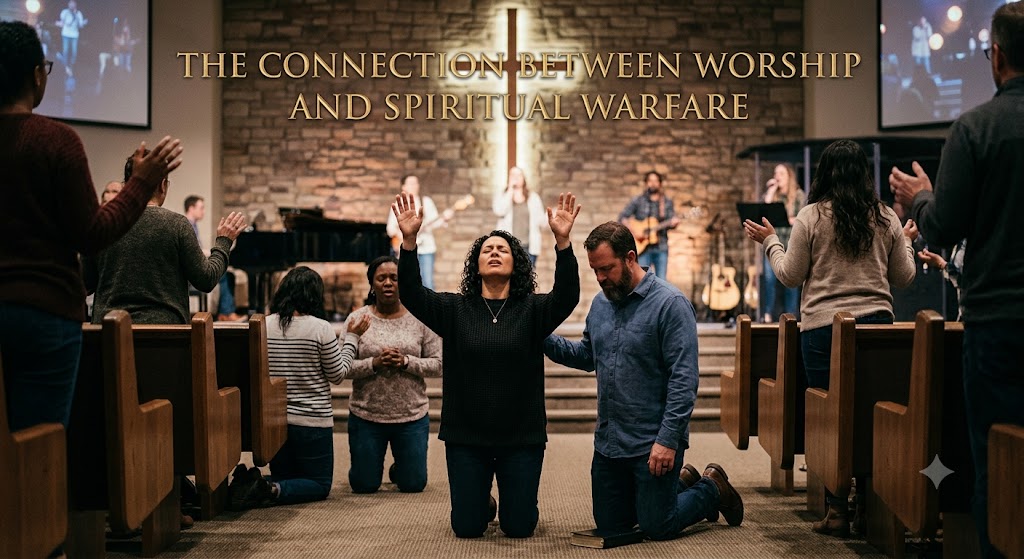
The Connection Between Worship and Spiritual Warfare
The Connection Between Worship and Spiritual Warfare is one of the most profound truths revealed throughout the Bible. Many believers think of worship simply as singing songs during a church service or lifting their hands in praise when life is going well. While these expressions are valuable, worship goes much deeper than music, emotions, or religious gatherings. True worship is the complete surrender of the heart to God, and it becomes a powerful weapon in the spiritual battles every Christian faces. Whether a believer realises it or not, spiritual warfare is part of the Christian journey. Every day, there are unseen battles for the mind, the heart, the will, and one’s relationship with God. Worship does not eliminate these battles, but it changes how believers engage in them. Instead of fighting with fear, confusion, or human strength, worship redirects attention to God’s power, His authority, and His unchanging promises.
From Genesis to Revelation, Scripture consistently reveals that God inhabits the praises of His people. Worship creates an atmosphere where faith grows stronger than fear and where confidence in God’s sovereignty replaces anxiety. It is no coincidence that throughout biblical history, some of the greatest victories occurred when God’s people chose worship instead of panic. This demonstrates that worship is not merely a response to victory but often the pathway through which God brings victory.
Many Christians misunderstand spiritual warfare because they imagine it only involves dramatic encounters with demonic forces. While the Bible clearly teaches that believers wrestle not against flesh and blood but against spiritual powers, spiritual warfare often begins in much quieter places. It begins when temptation knocks on the door of the heart. It appears when discouragement whispers that God has forgotten His promises. It surfaces when doubt questions God’s faithfulness, when pride competes with humility, or when bitterness attempts to replace forgiveness. These daily struggles are part of spiritual warfare, and worship becomes one of God’s greatest gifts for overcoming them.
The Connection Between Worship and Spiritual Warfare becomes clearer when believers understand that worship shifts focus away from personal limitations and directs it toward God’s unlimited power. The enemy thrives on distraction, deception, fear, and hopelessness. Worship interrupts each of these strategies by reminding believers of who God is. When Christians declare God’s goodness, holiness, faithfulness, mercy, and authority, they are filling their hearts with truth rather than lies. Since spiritual warfare is often a battle between truth and deception, worship becomes an act of declaring truth over every circumstance.
One of the greatest examples of worship in the midst of spiritual warfare is found in the life of King David. Throughout the Psalms, David repeatedly worshipped God while surrounded by enemies, betrayal, danger, and uncertainty. He did not wait until every problem disappeared before praising God. Instead, many of his songs were written during seasons of intense hardship. David understood that worship strengthened his faith before victory became visible. His confidence rested not in changing circumstances but in God’s unchanging character.
Another remarkable example appears in the story of Jehoshaphat. When Judah faced an overwhelming military threat, the king sought God instead of relying solely on military strategy. God instructed the people to send singers ahead of the army. Human logic would never recommend placing musicians at the front of a battlefield, yet obedience revealed God’s wisdom. As the people worshipped, God fought on their behalf, causing confusion among the opposing armies until they defeated one another. This story beautifully illustrates The Connection Between Worship and Spiritual Warfare because worship became an expression of complete trust in God’s ability to accomplish what human strength never could.
Paul and Silas also demonstrated this truth while imprisoned in Philippi. They had been beaten, falsely accused, and locked in chains. Everything about their circumstances suggested despair. Yet instead of complaining, they prayed and sang hymns to God. Their worship did not depend on comfortable surroundings or favourable circumstances. As they worshipped, God responded with an earthquake that opened the prison doors and broke their chains. Even more importantly, their worship led to the salvation of the jailer and his household. This account reminds believers that worship often produces spiritual victories beyond what they initially expect.
Modern believers continue to experience The Connection Between Worship and Spiritual Warfare in practical ways. Anxiety loses its grip when hearts become filled with thanksgiving. Fear begins to fade when worship magnifies God’s greatness above life’s challenges. Anger weakens when worship reminds believers of God’s forgiveness. Temptation becomes easier to resist when minds remain focused on Christ instead of sinful desires. Worship transforms the atmosphere within the believer long before external circumstances begin to change.
One reason worship is so effective in spiritual warfare is because it humbles the human heart. Pride has always been one of Satan’s greatest weapons. Pride encourages self-reliance while worship acknowledges complete dependence upon God. Every genuine act of worship declares that God alone deserves honour, glory, and praise. This attitude directly opposes the spirit of pride that led to Satan’s rebellion in the first place. As believers humble themselves before God in worship, they position themselves under His authority and protection.
The Bible repeatedly teaches that God resists the proud but gives grace to the humble. Worship naturally cultivates humility because it reminds believers that every blessing, every opportunity, every victory, and every breath comes from God. Instead of seeking personal recognition, worship redirects all glory to the Creator. This posture becomes an important defence against many spiritual attacks that originate from pride, selfish ambition, and self-centred thinking.
Another aspect of The Connection Between Worship and Spiritual Warfare involves the renewal of the mind. The enemy constantly seeks to influence thoughts through fear, lies, guilt, shame, and condemnation. Worship counters these attacks by filling the mind with biblical truth. Whether through singing Scripture, meditating on God’s promises, or declaring His attributes, worship renews thought patterns according to God’s Word. As the mind is renewed, believers become less vulnerable to deception and more capable of discerning God’s voice.
Spiritual warfare frequently targets emotions. Feelings of loneliness, hopelessness, disappointment, and frustration can easily overwhelm even mature believers. Worship does not deny these emotions, but it places them before God’s presence. Many Psalms begin with expressions of sorrow yet end with declarations of hope because worship gradually shifts the focus from temporary pain to eternal truth. This emotional transformation is one of worship’s greatest strengths.
The Connection Between Worship and Spiritual Warfare also reminds believers that worship is not limited to music. Romans teaches that presenting our bodies as living sacrifices is an act of spiritual worship. Every act of obedience becomes worship. Every decision to forgive, to love, to serve, to remain faithful, and to trust God honours Him. Spiritual warfare is not fought only during church services but through daily choices that demonstrate allegiance to Christ.
Jesus Himself demonstrated this principle perfectly. His entire earthly ministry was an act of worship through complete obedience to the Father. Even when facing the cross, Jesus submitted Himself to God’s will rather than His own comfort. His victory over sin and death ultimately became the greatest triumph in spiritual warfare. Believers who follow His example discover that obedience itself is one of the strongest expressions of worship.
Gratitude also plays an essential role in The Connection Between Worship and Spiritual Warfare. Complaining magnifies problems, while gratitude magnifies God’s faithfulness. The Israelites often struggled because they allowed complaints to dominate their hearts despite witnessing God’s miracles. Gratitude protects believers from developing hardened hearts. Thankfulness keeps faith alive even when answers have not yet arrived. Every expression of gratitude weakens the influence of discouragement and strengthens confidence in God’s provision.
Corporate worship holds unique significance as well. Although private worship remains essential, gathering with other believers strengthens the Church collectively. United worship reminds Christians that they are not fighting alone. It encourages faith, builds spiritual unity, and creates opportunities for mutual encouragement. Throughout history, revivals have often been marked by sincere worship that drew entire communities closer to God. As believers worship together, they proclaim Christ’s victory over every power of darkness.
Worship also helps believers maintain an eternal perspective. Spiritual warfare often becomes intense when people focus exclusively on temporary circumstances. Worship lifts the eyes toward eternity. It reminds Christians that earthly struggles are temporary while God’s kingdom is everlasting. This eternal perspective produces endurance during suffering because believers understand that present difficulties cannot compare with God’s future glory.
One of Satan’s consistent goals is to isolate believers. Isolation creates vulnerability, discouragement, and spiritual weakness. Worship reconnects believers with God’s presence and with the larger family of faith. Even during seasons of physical solitude, sincere worship reminds Christians that God has never abandoned them. His presence becomes the greatest source of comfort and strength during life’s most difficult battles.
The Connection Between Worship and Spiritual Warfare becomes especially evident during seasons of waiting. Waiting often tests faith more than active struggle. Prayers seem unanswered. Doors remain closed. Circumstances refuse to improve. Yet worship teaches believers to trust God’s timing rather than their own understanding. Instead of allowing waiting to become bitterness, worship transforms waiting into expectancy.
The Holy Spirit also works powerfully through worship. As believers sincerely honour God, the Holy Spirit brings conviction, comfort, wisdom, peace, and strength. He reminds believers of Scripture, directs their decisions, and produces spiritual fruit that equips them for every battle. Love replaces hatred. Joy overcomes despair. Peace quiets anxiety. Patience endures difficulty. Kindness overcomes cruelty. Goodness rejects evil. Faithfulness resists compromise. Gentleness conquers harshness. Self-control defeats temptation. These qualities become powerful evidence that worship is producing spiritual transformation.
The Connection Between Worship and Spiritual Warfare
One important truth believers must remember is that worship is valuable regardless of emotions. Some days worship feels joyful and effortless. Other days it requires determination despite emotional exhaustion. Genuine worship is not measured by emotional intensity but by faithful devotion to God. Choosing to worship during painful seasons often becomes one of the strongest acts of faith a believer can offer. It declares that God remains worthy even when life is difficult.
The enemy cannot tolerate genuine worship because authentic worship directs all glory to God. Satan desired worship for himself from the beginning, but worship belongs exclusively to the Lord. Every time believers exalt Christ above fear, anxiety, temptation, disappointment, or suffering, they declare God’s rightful place as King over every area of life. This declaration carries spiritual significance because it reaffirms God’s authority where the enemy seeks influence.
Daily worship also builds spiritual resilience. Just as physical muscles become stronger through consistent exercise, spiritual strength develops through regular time in God’s presence. Believers who worship consistently often find themselves better prepared for unexpected trials because their faith has already been strengthened during peaceful seasons. Worship becomes preparation before the battle arrives rather than merely a reaction after difficulties appear.
Parents who establish worship within their homes also create environments where faith can flourish. Children who witness authentic worship often develop deeper confidence in God’s reality. Families who pray, read Scripture, sing praises, and express gratitude together build spiritual foundations that help future generations withstand life’s challenges. Worship therefore becomes both personal and generational.
The Connection Between Worship and Spiritual Warfare reminds every believer that victory ultimately belongs to God. Christians do not fight for victory but from the victory Christ has already secured through His death and resurrection. Worship celebrates that finished work. It acknowledges Jesus as Lord over every circumstance, every temptation, every fear, every attack, and every challenge. This confidence enables believers to face life’s battles with hope instead of despair.
As the world becomes increasingly uncertain, worship remains one of the Church’s greatest strengths. Economic uncertainty, social conflict, personal loss, sickness, and countless other challenges may surround believers, but worship continually points them back to the One who never changes. God’s character remains constant. His promises remain trustworthy. His power remains unlimited. His love remains unfailing.
Ultimately, The Connection Between Worship and Spiritual Warfare reveals that worship is far more than a Sunday activity or a musical expression. It is a lifestyle of surrender, obedience, gratitude, faith, and unwavering confidence in God. It transforms the heart before it transforms circumstances. It strengthens believers for battles they cannot win alone. It silences fear by magnifying faith. It replaces despair with hope, confusion with peace, weakness with strength, and self-reliance with complete dependence upon God.
Every believer will face spiritual warfare, but every believer also has access to the powerful gift of worship. When Christians choose to worship in every season, they proclaim God’s greatness above every obstacle. They remind themselves that the Lord is faithful, sovereign, and victorious. In that place of wholehearted worship, faith rises, courage is renewed, and the believer stands firm, knowing that the God who is worthy of all praise is also the God who fights for His people and remains victorious forever.

Leave a Reply