
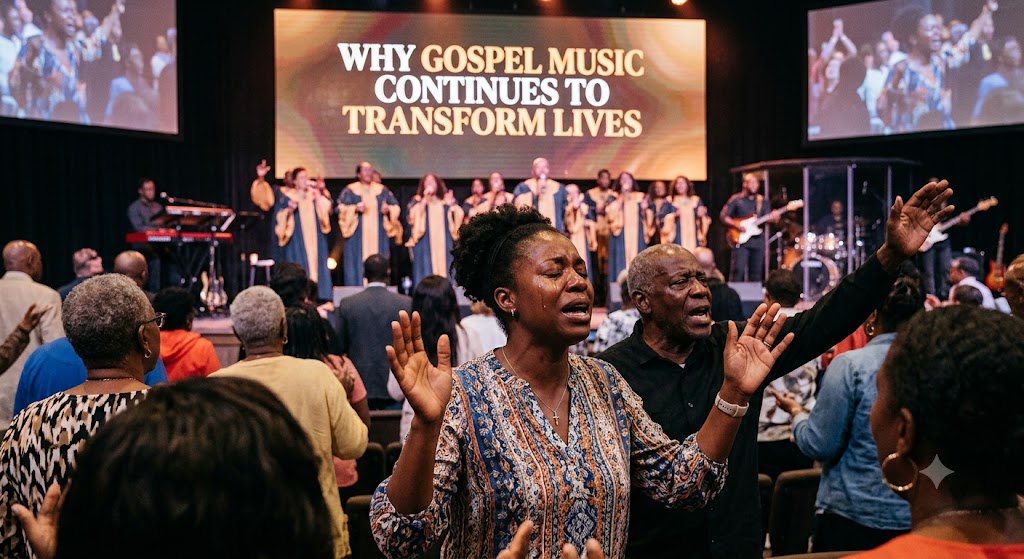
Why Gospel Music Continues to Transform Lives
Why Gospel Music Continues to Transform Lives is a question that has fascinated believers, musicians, researchers, and even those with no religious background for generations. Across continents, cultures, languages, and denominations, gospel music continues to touch hearts in ways that few other musical genres can. It has the remarkable ability to comfort the grieving, strengthen the weary, inspire the discouraged, and remind people that hope still exists even in life’s darkest moments. Whether it is sung in a small village church, performed in a packed concert arena, streamed through headphones, or played quietly during personal devotion, gospel music carries a message that reaches far beyond melody and rhythm.
The enduring influence of gospel music is rooted in its purpose. Unlike many genres that primarily focus on entertainment, gospel music exists to glorify God, encourage believers, and proclaim the good news of Jesus Christ. While musical styles have changed over the years, the central message has remained remarkably consistent. Songs about God’s love, mercy, grace, forgiveness, faithfulness, and salvation continue to resonate with millions of people because they speak to the deepest needs of the human heart.
One of the greatest reasons why gospel music continues to transform lives is that it offers hope during difficult seasons. Every person experiences moments of uncertainty, disappointment, pain, and loss. During these challenging times, words of encouragement often seem insufficient. However, music has a unique ability to communicate emotions that ordinary conversations sometimes cannot express. A gospel song reminding listeners that God never abandons His children can provide peace in moments of anxiety. A worship anthem declaring God’s faithfulness can restore courage when circumstances appear hopeless. These songs become more than lyrics; they become reminders that no situation is beyond God’s power.
Gospel music also has an extraordinary way of bringing people closer to God. Many believers can recall hearing a particular song during a worship service or while alone at home that moved them to tears and inspired them to pray with renewed sincerity. Music engages both the mind and the heart. As people sing about God’s greatness, His promises become more personal and more memorable. Worship through song creates an atmosphere where individuals can reflect, repent, express gratitude, and experience a deeper awareness of God’s presence.
Another reason why gospel music continues to transform lives is its foundation in biblical truth. Many gospel songs are inspired directly by Scripture or built upon biblical principles. As listeners repeatedly hear these messages, they begin to internalise God’s Word without even realising it. Verses that may have once seemed difficult to memorise become permanently embedded in the heart through melody. This combination of Scripture and music strengthens faith and encourages spiritual growth in a natural and meaningful way.
Throughout history, gospel music has served as a powerful source of comfort during times of hardship. During periods of persecution, economic struggles, wars, natural disasters, and personal tragedies, believers have turned to songs of faith to remind themselves that God remains sovereign. Even when circumstances seem impossible, worship songs encourage people to lift their eyes beyond temporary difficulties and focus on eternal hope. This perspective often brings peace that cannot be explained by logic alone.
Why Gospel Music Continues to Transform Lives can also be understood through its ability to unite people from different backgrounds. Churches around the world may differ in language, culture, traditions, or worship styles, yet believers frequently find common ground through songs that celebrate God’s goodness. A worship song translated into multiple languages still carries the same message of salvation and hope. This shared experience strengthens unity within the global Christian community and reminds believers that they belong to one body in Christ.
The emotional impact of gospel music should never be underestimated. Scientific studies have long recognised that music influences emotions, memory, and mental wellbeing. Gospel music goes beyond emotional stimulation by combining uplifting melodies with messages of faith and encouragement. Individuals battling stress, fear, loneliness, or depression often discover that listening to worship music calms anxious thoughts and redirects attention toward God’s promises. While gospel music is not a substitute for professional care when needed, it often serves as an important source of spiritual encouragement and emotional support.
Another powerful aspect of gospel music is its ability to inspire repentance and life transformation. Countless testimonies describe individuals who encountered God through a simple worship song. Some entered churches out of curiosity and left with renewed faith after hearing music that spoke directly to their circumstances. Others, while driving, working, or listening at home, experienced conviction through lyrics that reminded them of God’s love and mercy. These moments frequently become turning points that lead people to surrender their lives to Christ.
Christian families also benefit greatly from gospel music. Parents who fill their homes with songs that glorify God create an environment where children become familiar with biblical truths from an early age. Young minds absorb lyrics quickly, often remembering songs long before they can understand complex theological concepts. As they grow older, those familiar songs frequently become lasting reminders of God’s faithfulness and the spiritual foundation established during childhood.
Why Gospel Music Continues to Transform Lives is also evident in its influence on personal devotion. Many believers include worship music as part of their daily prayer and Bible reading routines. Gentle worship songs help quiet distracting thoughts and prepare the heart for meaningful fellowship with God. Upbeat praise songs inspire gratitude, while reflective worship encourages deeper meditation on Scripture. This regular practice strengthens spiritual discipline and nurtures a closer relationship with Christ.
The growth of digital technology has allowed gospel music to reach audiences that previous generations could never have imagined. Today, worship songs are streamed millions of times across online platforms, making biblical messages accessible to people in virtually every country. Someone searching for hope late at night can instantly find songs that remind them of God’s love. Missionaries use music to connect with communities across cultures. Churches share worship experiences with members unable to attend physically. This unprecedented accessibility explains another reason why gospel music continues to transform lives on a global scale.
Modern gospel music also reflects remarkable diversity. Traditional hymns continue to inspire countless believers, while contemporary worship introduces fresh musical expressions that connect with younger generations. Choir performances, acoustic worship, gospel rap, Afro gospel, gospel rock, orchestral arrangements, and multilingual worship all contribute to a vibrant and expanding Christian music landscape. Despite stylistic differences, the central message remains focused on glorifying God and proclaiming the Gospel.
Many gospel artists view their calling as ministry rather than entertainment. While excellence in music is important, faithful Christian musicians understand that their greatest responsibility is pointing listeners toward Jesus Christ. This ministry mindset distinguishes gospel music from many commercial genres where fame and financial success often become primary goals. Gospel artists frequently share testimonies, encourage prayer, and use their platforms to spread biblical truth alongside their music.
The testimonies connected to gospel music are truly remarkable. Hospitals have witnessed patients finding renewed hope through worship songs. Prison ministries report inmates discovering faith after hearing gospel choirs. Individuals recovering from addiction often describe worship music as a constant companion during their journey towards freedom. Couples experiencing marital difficulties have found encouragement through songs reminding them of forgiveness and restoration. These countless personal stories demonstrate that gospel music reaches far beyond entertainment and becomes an instrument of transformation.
Church worship services are greatly enriched through gospel music. Congregational singing creates opportunities for believers to participate actively rather than simply observe. Singing together strengthens fellowship, encourages unity, and allows every voice to contribute to collective praise. Many believers remember sermons, but they often remember worship songs for decades because music leaves a lasting impression on memory and emotion. This combination of truth and melody continues influencing lives long after the service ends.
Another reason why gospel music continues to transform lives is that it reminds believers of God’s unchanging character. Human emotions fluctuate, circumstances change, and challenges arise unexpectedly. However, songs celebrating God’s faithfulness, holiness, mercy, and everlasting love remind Christians that the foundation of their faith remains secure. During seasons of doubt or uncertainty, these musical reminders strengthen confidence in God’s promises.
Gospel music also plays an important role in evangelism. People who might never attend church sometimes encounter Christian music through radio stations, streaming platforms, concerts, social media, or recommendations from friends. A meaningful song can open conversations about faith and introduce listeners to the message of salvation in a welcoming and accessible way. Music often reaches hearts before formal teaching begins, preparing individuals to receive the Gospel with openness.
Young Christians increasingly use gospel music to express their faith publicly. Sharing worship songs on social media, creating playlists, participating in worship teams, and attending Christian concerts all contribute to a growing culture where faith is celebrated rather than hidden. This visibility encourages other believers while introducing curious listeners to Christian messages they might not otherwise encounter.
One reason why gospel music continues to transform lives across generations is its timeless message. Musical styles evolve continuously, yet humanity’s deepest questions remain remarkably consistent. People still seek purpose, forgiveness, peace, hope, love, and eternal security. Gospel music addresses these universal longings through the unchanging truth of Jesus Christ. While production techniques, instruments, and musical arrangements may change, the Gospel itself never loses relevance.
Communities experiencing hardship often discover unique strength through collective worship. Following natural disasters, social unrest, or personal tragedy, churches frequently gather to sing songs declaring God’s sovereignty and faithfulness. These moments of united worship foster resilience, reminding believers that they are not facing difficulties alone. The shared experience of singing together strengthens both individual faith and community bonds.
Another remarkable characteristic of gospel music is its ability to inspire generosity, compassion, and service. Songs emphasising God’s love frequently motivate listeners to reflect that same love through practical acts of kindness. Many charitable organisations, mission initiatives, and community outreach programmes have been inspired or supported through gospel music events. Worship becomes not only an expression of praise but also a catalyst for serving others with humility and compassion.
The creative excellence found within Christian music continues to improve each year. Talented songwriters, musicians, producers, vocalists, and worship leaders dedicate themselves to creating music that honours God while connecting with modern audiences. Advances in recording technology allow independent Christian artists to share their music globally, expanding opportunities for diverse voices and fresh expressions of worship without compromising biblical truth.
Why Gospel Music Continues to Transform Lives is ultimately answered by the message it proclaims. At its heart is the life-changing Gospel of Jesus Christ. Every genuine worship song points listeners towards God’s grace, redemption, forgiveness, and eternal hope. These truths remain as powerful today as they were centuries ago because they address the deepest spiritual needs of every human being. No amount of technological advancement, cultural change, or social progress can replace humanity’s need for God’s saving grace.
Personal testimonies continue to affirm the transforming power of gospel music. Individuals who once felt broken have found healing. Those overwhelmed by fear have discovered peace. People burdened with guilt have embraced forgiveness. Families divided by conflict have experienced reconciliation. Young believers have found purpose, while older Christians have renewed their faith through songs that remind them of God’s lifelong faithfulness. These countless stories demonstrate that gospel music is not merely background sound but a powerful instrument used by God to touch hearts.
As the world continues to change rapidly, gospel music remains a constant source of encouragement, truth, and spiritual renewal. It speaks across cultures, generations, and languages because its foundation is the eternal message of Christ. Whether heard in a quiet moment of personal prayer, sung by thousands in corporate worship, or shared through digital platforms across the globe, its influence continues to grow.
Why Gospel Music Continues to Transform Lives
Why Gospel Music Continues to Transform Lives is not simply because it sounds beautiful or evokes strong emotions. It transforms lives because it carries a message of hope that never fades, a truth that never changes, and a Saviour whose love remains constant forever. As long as people continue searching for purpose, peace, forgiveness, and hope, gospel music will remain one of the most powerful tools for encouraging faith, strengthening believers, and pointing the world towards Jesus Christ. That enduring purpose ensures that gospel music will continue transforming lives for generations to come.

Leave a Reply