
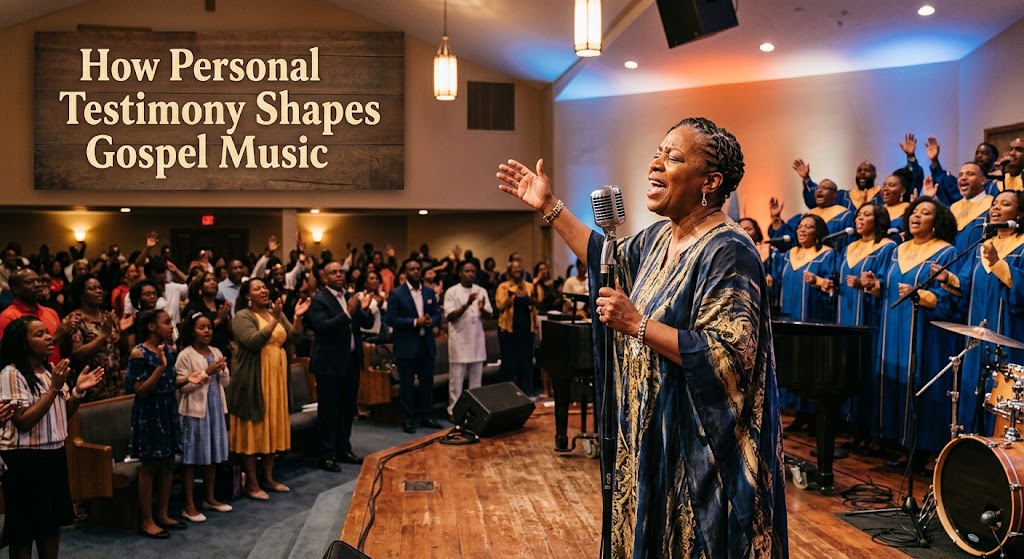
How Personal Testimony Shapes Gospel Music
Gospel music has always been more than a collection of melodies, harmonies, and carefully arranged lyrics. At its core, it is a powerful expression of faith, hope, gratitude, and personal encounters with God. One of the most significant elements that gives gospel music its unique depth and enduring influence is personal testimony. Understanding how personal testimony shapes gospel music helps us appreciate why certain songs resonate deeply with listeners, inspire faith during difficult seasons, and remain relevant across generations. Personal stories of triumph, healing, restoration, forgiveness, and divine intervention have long been the foundation upon which many of the most impactful gospel songs are built.
When people listen to gospel music, they are often drawn not only to the sound but also to the story behind the song. There is something remarkably powerful about hearing a singer share an authentic experience of God’s faithfulness through music. Listeners can often sense when a song is rooted in genuine experience rather than mere creativity. This authenticity creates an emotional and spiritual connection that allows the message to penetrate hearts in ways that ordinary words sometimes cannot. The reason many believers return repeatedly to certain gospel songs is because those songs reflect real-life struggles and victories that mirror their own journeys.
How personal testimony shapes gospel music can be seen throughout the history of the genre. Many legendary gospel songs were born out of seasons of hardship, loss, uncertainty, or miraculous breakthrough. Songwriters often draw inspiration from moments when they witnessed God’s provision during financial difficulties, experienced healing after illness, found peace during grief, or discovered hope in circumstances that seemed impossible. These experiences become powerful lyrical narratives that communicate not only a message but also a living example of faith in action.
Personal testimony gives gospel music credibility. People are naturally inspired by stories of real transformation. When an artist sings about overcoming addiction, surviving tragedy, finding redemption, or experiencing God’s grace after years of struggle, listeners are often encouraged to believe that similar transformation is possible in their own lives. The testimony becomes evidence that God’s power is still at work today. This is one reason gospel music continues to thrive despite changing musical trends and technological advancements. The stories behind the songs remain timeless because human struggles and spiritual needs remain universal.
How Personal Testimony Shapes Gospel Music
Another way how personal testimony shapes gospel music is through emotional authenticity. Songs rooted in personal experiences often carry a level of sincerity that cannot easily be manufactured. An artist who has endured significant challenges and witnessed God’s faithfulness firsthand often sings with a conviction that listeners can feel. The emotion conveyed through the performance becomes an extension of the testimony itself. Every note, phrase, and lyric carries the weight of lived experience, making the message more impactful and memorable.
Many gospel artists have openly shared the personal circumstances that inspired some of their most beloved songs. These testimonies often reveal that songs were written during moments of heartbreak, uncertainty, or prayer. In many cases, the song becomes a form of worship that emerges directly from the artist’s personal relationship with God. Rather than simply creating music for entertainment purposes, the songwriter uses music as a vehicle to share what God has done in their life. This connection between testimony and worship creates songs that feel deeply personal while simultaneously speaking to a broad audience.
How personal testimony shapes gospel music is also evident in the way songs provide encouragement to listeners facing similar challenges. When people hear a testimony through music, they often discover that they are not alone in their struggles. A song about surviving loss may comfort someone grieving. A song about overcoming fear may strengthen someone battling anxiety. A song about God’s provision may encourage someone facing financial hardship. The testimony becomes a source of hope because it demonstrates that difficult circumstances do not have the final word.
The power of testimony in gospel music extends beyond emotional encouragement. It also serves as a form of ministry. Throughout history, testimonies have played a vital role in sharing faith and strengthening believers. Gospel music amplifies this tradition by combining testimony with the universal language of music. A personal story that might otherwise reach only a few individuals can reach millions when expressed through a song. As listeners sing along, the testimony becomes part of their own spiritual experience, creating a ripple effect that extends far beyond the original artist.
One of the reasons how personal testimony shapes gospel music so profoundly is because testimony reflects God’s activity in everyday life. While sermons often focus on biblical teachings and theological principles, testimonies show how those principles operate in real-world situations. Gospel songs rooted in testimony bridge the gap between scripture and daily experience. They demonstrate that the same God who worked miracles in biblical times continues to work in the lives of ordinary people today. This practical demonstration of faith makes the message more relatable and accessible.
Personal testimony also influences the lyrical content of gospel music. Songs inspired by real experiences often contain vivid details, heartfelt expressions, and specific references to struggles and victories. These elements create stronger emotional connections with listeners. Rather than relying on abstract concepts alone, testimony-based songs paint pictures of real-life journeys. The lyrics become stories that listeners can follow, understand, and relate to on a personal level.
Another important aspect of how personal testimony shapes gospel music is its ability to foster community among believers. When people hear testimonies through music, they often recognise common experiences within the Christian journey. This shared understanding creates a sense of unity and encouragement. Congregations frequently connect deeply with songs that reflect collective experiences of faith, perseverance, and gratitude. As a result, testimony-driven songs often become staples in church worship services, conferences, and gatherings because they resonate with the lived experiences of many believers.
The influence of personal testimony can also be seen in the diversity of gospel music. Different artists bring unique backgrounds, cultures, and experiences to their songwriting. Some testimonies focus on healing, while others emphasise restoration, forgiveness, deliverance, or spiritual growth. This variety enriches the genre by providing a wide range of perspectives and messages. Each testimony contributes a new dimension to the broader story of God’s work in people’s lives.
How personal testimony shapes gospel music is particularly evident during times of societal challenge. During periods of economic hardship, social unrest, or widespread uncertainty, testimony-based songs often become sources of collective strength. Artists who share stories of hope and resilience remind listeners that faith can endure even in difficult circumstances. These songs often gain popularity because they address real concerns while pointing listeners toward hope and trust in God.
The process of transforming testimony into music can also be therapeutic for artists themselves. Writing and performing songs based on personal experiences allows individuals to reflect on their journeys and express gratitude for God’s faithfulness. In many cases, the act of sharing a testimony through music becomes part of the healing process. The artist not only ministers to others but also finds renewed strength and perspective through the creative expression of their faith.
Modern technology has expanded the reach of testimony-driven gospel music in remarkable ways. Through streaming platforms, social media, and digital distribution, personal testimonies shared through songs can now reach global audiences within moments of release. Listeners from different countries and cultures can connect with the same message and find encouragement in experiences that transcend geographical boundaries. This global accessibility has amplified the impact of personal testimony in gospel music and allowed artists to inspire people they may never meet in person.
Another reason how personal testimony shapes gospel music so effectively is because stories are naturally memorable. People often remember stories long after they forget facts or statistics. When testimony is woven into a song, the message becomes even more memorable because it is reinforced by melody and rhythm. Listeners may find themselves recalling lyrics during challenging moments and drawing strength from the testimony embedded within the song.
The relationship between testimony and gospel music also highlights the importance of vulnerability. Sharing personal experiences requires honesty and courage. Artists who openly discuss their struggles, doubts, and victories create opportunities for meaningful connection with listeners. This transparency helps break down barriers and fosters authenticity within the gospel music community. It reminds people that faith is not about perfection but about trusting God through every stage of life’s journey.
Many gospel songs that have stood the test of time continue to resonate because they are grounded in genuine testimony. While musical styles may evolve, authentic stories remain relevant. A testimony of God’s faithfulness during hardship is just as meaningful today as it was decades ago. This timeless quality contributes to the longevity of many gospel classics and ensures that they continue to inspire new generations of listeners.
How personal testimony shapes gospel music can also be observed in the way audiences respond to live performances. When artists share the stories behind their songs, listeners often experience a deeper emotional connection to the music. Understanding the circumstances that inspired a song adds context and meaning, making the performance more impactful. These moments often become highlights of concerts, worship gatherings, and ministry events because they reveal the human experiences behind the music.
The future of gospel music will likely continue to be shaped by personal testimony. As new generations of artists emerge, they will bring fresh experiences, challenges, and stories of faith. These testimonies will inspire new songs that speak to contemporary audiences while maintaining the core message of hope, redemption, and God’s faithfulness. The specific circumstances may change, but the power of testimony will remain a central force within the genre.
Ultimately, understanding how personal testimony shapes gospel music reveals why the genre holds such a unique place in the hearts of believers around the world. Testimonies transform songs from simple musical compositions into powerful declarations of faith. They provide evidence of God’s work, encourage listeners during difficult times, strengthen communities of believers, and create lasting spiritual impact. Through personal testimony, gospel music becomes more than entertainment. It becomes a living record of God’s faithfulness, a source of hope for the weary, and a reminder that every challenge can become part of a greater story of redemption.
The enduring influence of gospel music is inseparable from the testimonies that inspire it. Every song rooted in authentic experience carries the potential to touch lives, strengthen faith, and point people toward God. Whether the testimony involves healing, restoration, provision, forgiveness, or spiritual growth, it serves as a reminder that God continues to work in the lives of ordinary people. This is the true power behind how personal testimony shapes gospel music, and it is the reason gospel songs will continue to inspire, uplift, and transform hearts for generations to come.

Leave a Reply