
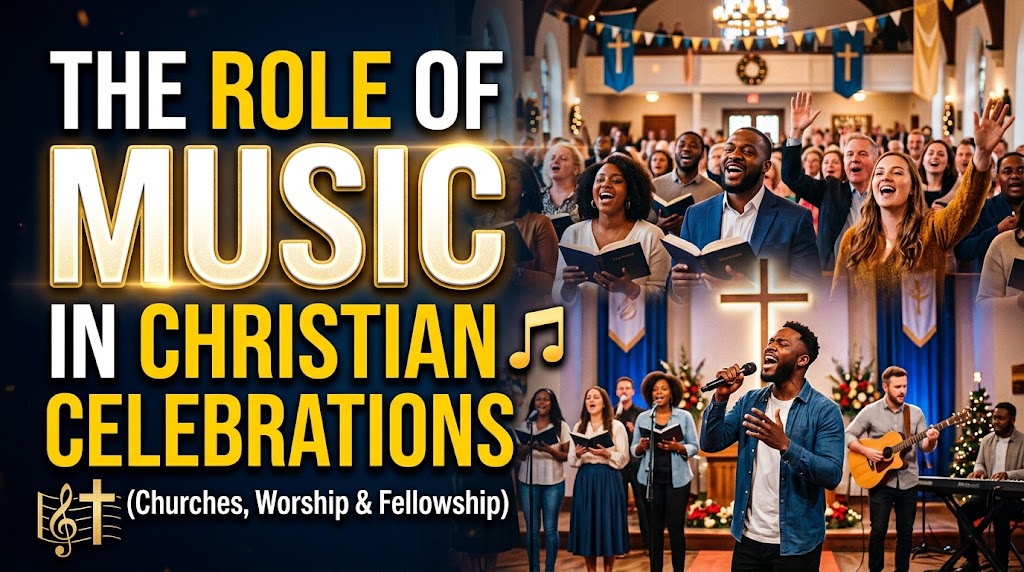
The Role of Music in Christian Celebrations
The Role of Music in Christian Celebrations
Music has always occupied a special place in the life of the Christian faith. From the earliest accounts found in Scripture to modern church gatherings around the world, music has served as a powerful expression of worship, gratitude, joy, remembrance, and celebration. The Role of Music in Christian Celebrations extends far beyond entertainment or tradition. It is a vital part of how believers communicate their love for God, express their faith, share their testimonies, and unite as a community of worshippers. Whether in grand church events, weddings, baptisms, Christmas services, Easter gatherings, anniversaries, thanksgiving ceremonies, or personal milestones, music continues to play a central role in helping Christians celebrate God’s goodness and faithfulness.
The history of Christian music can be traced back to biblical times. Throughout the Old Testament, God’s people used songs and musical instruments to celebrate victories, commemorate important events, and honour the Lord. The Psalms, often referred to as the hymnbook of ancient Israel, provide numerous examples of music being used as an act of praise and thanksgiving. King David, who was both a worshipper and musician, frequently encouraged God’s people to sing new songs unto the Lord. Music was not merely a background activity but an essential part of communal worship and celebration.
In the New Testament, music continued to hold significance among believers. Early Christians sang hymns and spiritual songs as part of their gatherings. The Apostle Paul encouraged believers to teach and encourage one another through psalms, hymns, and spiritual songs, singing with gratitude in their hearts to God. These instructions reveal that music was intended not only to glorify God but also to strengthen the faith of believers and foster unity within the Christian community.
One of the most important aspects of The Role of Music in Christian Celebrations is its ability to create an atmosphere of worship. Christian celebrations often centre around acknowledging God’s presence and expressing gratitude for His blessings. Music helps prepare hearts and minds for worship by directing attention away from distractions and towards spiritual reflection. A well-chosen worship song can inspire believers to focus on God’s character, His promises, and His works. Through melodies and lyrics, worshippers are reminded of God’s love, mercy, grace, and faithfulness.
Music also serves as a powerful tool for expressing joy. Christian celebrations are often occasions filled with happiness and gratitude. Whether celebrating a wedding, a church anniversary, a successful outreach programme, or a personal testimony, music provides a natural outlet for joyful expression. Singing allows believers to celebrate together in a way that words alone may not fully capture. Joyful songs create an atmosphere of thanksgiving and encourage everyone present to participate in the celebration.
Christmas provides one of the clearest examples of The Role of Music in Christian Celebrations. During the Christmas season, churches and families around the world gather to commemorate the birth of Jesus Christ. Music becomes a central feature of these celebrations through carols, choir presentations, special musical performances, and congregational singing. Songs such as traditional carols help tell the story of Christ’s birth and remind believers of the significance of God’s gift to humanity. Through music, the message of Christmas is communicated in a memorable and emotionally engaging way.
Easter celebrations also highlight the importance of music in the Christian faith. Easter commemorates the death, burial, and resurrection of Jesus Christ, making it one of the most significant events in the Christian calendar. Worship songs during Easter often focus on themes of redemption, victory, hope, forgiveness, and eternal life. Through music, believers celebrate the triumph of Christ over sin and death. The emotional power of music helps worshippers connect deeply with the meaning of the resurrection and strengthens their faith in God’s promises.
Christian weddings provide another important example of how music enhances celebrations. Music helps create a joyful and sacred atmosphere as couples begin their journey together in marriage. From the processional songs that accompany the entrance of the bride to the worship songs that honour God’s role in the union, music contributes significantly to the beauty and meaning of the occasion. Many Christian couples choose songs that reflect their faith, commitment, and gratitude to God. These musical selections become cherished memories that continue to hold significance throughout their marriage.
Baptism celebrations also demonstrate The Role of Music in Christian Celebrations. Baptism represents a public declaration of faith and a significant spiritual milestone in the life of a believer. Music during baptism services often reflects themes of transformation, new life, forgiveness, and commitment to Christ. Worship songs help create an atmosphere of reverence and joy as the congregation celebrates the spiritual growth of those being baptised. Music allows the entire church community to participate in the celebration and share in the joy of witnessing lives being changed.
Another important function of music in Christian celebrations is its ability to strengthen unity among believers. Singing together creates a sense of connection and shared purpose. Regardless of age, background, culture, or social status, believers can come together through music to worship God with one voice. This collective experience fosters a sense of belonging and reinforces the idea that the church is one body united in Christ. In many celebrations, congregational singing becomes a visible expression of Christian unity.
Music also plays a valuable role in preserving Christian traditions and passing faith from one generation to another. Many Christian songs carry theological truths, biblical teachings, and testimonies of God’s faithfulness. Through repeated singing, these truths become deeply embedded in the hearts and minds of believers. Children often learn important aspects of the Christian faith through songs before they fully understand theological concepts. As a result, music serves as an effective tool for discipleship and spiritual formation.
The emotional impact of music cannot be overlooked when discussing The Role of Music in Christian Celebrations. Music has the unique ability to touch hearts and evoke emotions in ways that spoken words sometimes cannot. During celebrations, music can inspire feelings of gratitude, hope, peace, joy, reverence, and awe. These emotional responses often deepen the worship experience and help believers connect more personally with God. A powerful worship song can remind someone of God’s faithfulness during difficult times or inspire renewed commitment to their faith.
In addition to its spiritual significance, music also contributes to the cultural richness of Christian celebrations. Christianity is practised in diverse cultures around the world, and each culture brings its unique musical expressions into worship and celebration. African gospel music, contemporary worship songs, traditional hymns, choral arrangements, and indigenous Christian music styles all contribute to the vibrant diversity of Christian celebrations. This variety demonstrates the universal nature of the Christian faith and highlights how people from different backgrounds can worship the same God through their unique musical traditions.
Technology has further expanded The Role of Music in Christian Celebrations. Today, churches and believers have access to a vast range of worship music through streaming platforms, online services, social media, and digital recordings. Christian celebrations can incorporate music from different parts of the world, allowing congregations to experience diverse expressions of worship. Technology has also enabled Christian artists and worship leaders to share their music with global audiences, making worship resources more accessible than ever before.
Christian music ministries and choirs play a significant role in enhancing celebrations within the church. These groups often dedicate countless hours to rehearsing and preparing songs that will inspire and encourage worshippers. Their contributions help create meaningful worship experiences during special events and regular services alike. Through their talents and dedication, musicians and singers support the spiritual life of the church and contribute to the success of Christian celebrations.
Music also provides opportunities for testimony and evangelism during Christian celebrations. Songs often communicate the message of the Gospel in ways that resonate with listeners. Many individuals have been drawn to faith through the lyrics of a song or the powerful experience of worship music during a celebration. Christian concerts, worship nights, and community events frequently use music as a means of sharing the love of Christ with others. The universal language of music allows the message of hope and salvation to reach people across cultural and linguistic barriers.
The Role of Music in Christian Celebrations is particularly evident during thanksgiving services. These gatherings are dedicated to expressing gratitude to God for His blessings and faithfulness. Music provides an ideal medium through which believers can offer thanks and praise. Songs of thanksgiving remind worshippers of God’s goodness and encourage them to reflect on His provision throughout their lives. Through joyful singing and worship, believers collectively acknowledge God’s hand in their successes and blessings.
Church anniversaries and milestone celebrations also rely heavily on music to commemorate important achievements and reflect on God’s faithfulness over the years. Songs chosen for these occasions often highlight themes of gratitude, perseverance, and divine guidance. Music helps create a celebratory atmosphere while reminding the congregation of God’s continued presence and support throughout their journey.
As Christian worship continues to evolve, the importance of music remains unchanged. New musical styles and technologies may influence how worship is expressed, but the underlying purpose of music in Christian celebrations remains constant. Music continues to glorify God, unite believers, communicate biblical truth, inspire worship, and enhance the celebration of God’s work in the lives of His people.
The Role of Music in Christian Celebrations reflects the deep connection between faith and artistic expression. Through music, believers find a powerful means of communicating their devotion, gratitude, and joy. Whether through ancient hymns, contemporary worship songs, choir performances, or spontaneous expressions of praise, music remains an essential element of Christian life and celebration. It enriches worship experiences, strengthens community bonds, preserves spiritual heritage, and creates memorable moments that inspire faith for generations.
As long as Christians gather to worship, celebrate, and honour God, music will continue to hold a cherished place in their celebrations. Its ability to uplift hearts, communicate truth, and foster unity ensures that it remains one of the most powerful and enduring aspects of Christian worship. The Role of Music in Christian Celebrations is not merely a tradition passed down through generations but a living expression of faith that continues to inspire, encourage, and transform lives around the world. Through every song sung in gratitude, every hymn lifted in praise, and every melody dedicated to God, believers continue to celebrate the goodness, faithfulness, and love of the One who is worthy of all worship.

Leave a Reply