
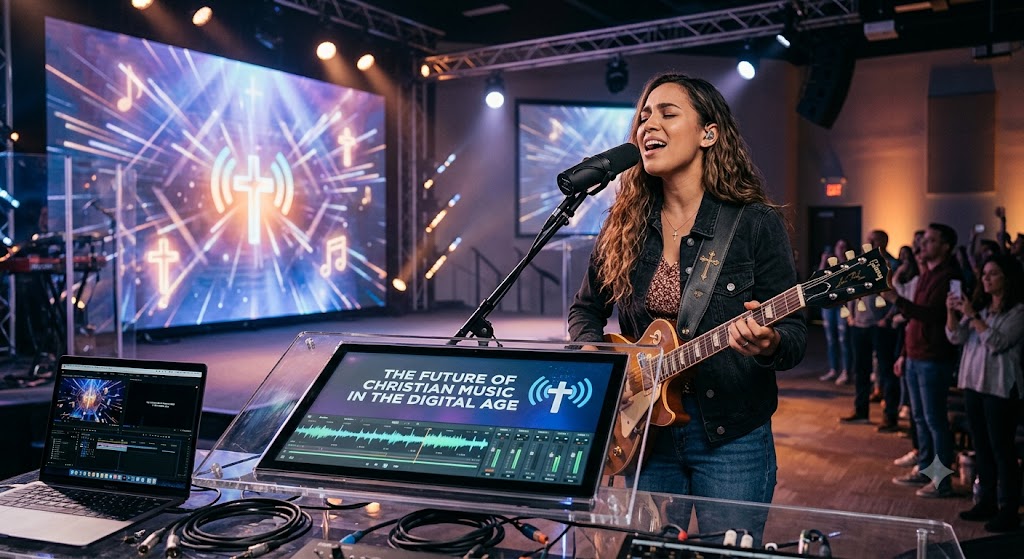
The Future of Christian Music in the Digital Age
The future of Christian music in the digital age is one of the most exciting conversations taking place among believers, worship leaders, musicians, producers, churches, and music lovers around the world. Technology has transformed almost every part of life, and the Christian music industry has not been left behind. What once depended almost entirely on church gatherings, physical albums, radio stations, and live concerts has now expanded into a global digital movement that reaches millions of people every single day. Christian music in the digital age is no longer limited by geography, language, or traditional distribution channels. A worship song written in a small church can become a worldwide anthem within weeks. A young gospel singer recording music in a modest bedroom studio can minister to listeners across continents. The digital age has not only changed how Christian music is produced and shared, but it has also reshaped how people discover, experience, and interact with worship and gospel songs.
Christian music has always served a greater purpose than entertainment. It has been a tool for worship, evangelism, encouragement, discipleship, healing, and spiritual growth. Throughout history, believers have expressed their faith through songs that remind people of God’s goodness, mercy, faithfulness, and love. While the methods of delivering these songs have evolved, the message remains timeless. Christian music in the digital age demonstrates that while technology changes, the gospel never changes. Digital platforms simply provide new opportunities for an ancient message to reach modern hearts.
Not many years ago, an artist needed a record label, expensive studio sessions, radio promotion, and physical distribution before reaching a large audience. Many gifted Christian musicians never had the opportunity to share their music because they lacked financial resources or industry connections. Today, that barrier has become much lower. Affordable recording software, quality microphones, digital instruments, online tutorials, and music distribution services have made it possible for almost anyone with talent, dedication, and a genuine calling to produce professional-quality music from home. Christian music in the digital age has opened doors that were once tightly closed.
One of the biggest reasons the future looks bright is accessibility. Millions of people now carry entire music libraries in their pockets through smartphones and tablets. Instead of searching for physical CDs or waiting for radio broadcasts, listeners can instantly access thousands of worship songs, gospel albums, instrumental worship collections, praise playlists, and devotion music from anywhere in the world. Whether someone is travelling, working, studying, exercising, or spending quiet time with God, Christian music is available at any moment. This constant accessibility allows believers to remain spiritually encouraged throughout the day.
Streaming services have dramatically changed listening habits. Instead of buying individual albums, listeners often explore playlists that introduce them to artists they may never have discovered otherwise. This creates opportunities for both established and emerging Christian musicians. Someone may begin listening to a well-known worship team and suddenly discover an independent gospel artist whose music deeply impacts their life. Christian music in the digital age thrives because digital recommendations connect people with songs that match their spiritual needs and personal preferences.
Social media has become another powerful force shaping the future of Christian music. Platforms that were once used mainly for personal communication have evolved into global ministry tools. Christian artists now share behind-the-scenes moments, devotionals, testimonies, songwriting processes, prayer sessions, and live worship experiences directly with their followers. This personal connection builds stronger relationships between artists and listeners. Fans no longer simply consume music. They engage in conversations, request prayers, share testimonies, and become part of faith-centred online communities that extend beyond the music itself.
The rise of short-form video content has also introduced Christian music to audiences that might never intentionally search for worship songs. A thirty-second clip containing a powerful chorus can touch someone’s heart while they scroll through social media. Many people first encounter Christian music through inspirational videos, testimonies, family moments, wedding celebrations, graduation clips, or encouraging messages that feature worship songs in the background. Sometimes a single verse or chorus becomes the beginning of someone’s journey toward faith in Christ.
Artificial intelligence is becoming part of music production, and its influence will likely continue to grow. AI can assist with audio mixing, mastering, lyric suggestions, arrangement ideas, language translation, and even promotional strategies. While these tools can improve efficiency, Christian musicians must remember that authentic worship cannot be manufactured by algorithms. The spiritual power behind Christian music comes from hearts surrendered to God, not from technology itself. Christian music in the digital age will benefit most when technology serves ministry rather than replacing spiritual authenticity.
The global reach of digital platforms has also encouraged cultural diversity within Christian music. Believers from Africa, Asia, Europe, North America, South America, and countless islands now contribute unique sounds, rhythms, instruments, and languages to the worldwide worship movement. Afro Gospel, contemporary worship, gospel choir music, Christian hip hop, worship pop, country gospel, rock worship, indigenous praise music, orchestral worship, and acoustic worship all coexist within today’s digital landscape. This rich diversity reflects the beautiful reality that the body of Christ includes people from every tribe, language, nation, and culture.
Christian music in the digital age has also transformed church worship. Churches increasingly use digital song libraries, online chord databases, lyric projection software, live streaming technology, and cloud-based worship planning tools. Worship teams collaborate more efficiently, access new songs quickly, and introduce congregations to music from around the world. During times when physical gatherings become difficult, online worship services allow churches to continue ministering through music regardless of location.
The digital age has also created opportunities for collaboration unlike anything seen before. Songwriters living thousands of miles apart can write songs together using video conferencing and cloud-based recording platforms. Producers, instrumentalists, vocalists, and mixing engineers can contribute to the same project without ever meeting physically. This collaborative environment enriches creativity while strengthening unity among Christian musicians across different denominations and cultures.
Independent artists especially benefit from these changes. Without waiting for approval from major labels, musicians can release singles, EPs, live recordings, acoustic sessions, and worship videos directly to their audiences. They can build loyal communities by consistently sharing meaningful content, responding to supporters, and demonstrating authenticity. Christian music in the digital age rewards consistency, integrity, and genuine ministry more than expensive marketing campaigns alone.
The future also points toward increased multilingual worship experiences. Translation technology continues improving, making it easier for worship songs to reach audiences who speak different languages. Songs originally written in English are translated into Spanish, French, Portuguese, Swahili, Yoruba, Igbo, Hausa, Korean, Mandarin, and many other languages. Likewise, songs originally composed in African or Asian languages increasingly find international audiences. This exchange enriches the global Church and reminds believers that worship transcends language barriers.
Podcasting represents another growing opportunity for Christian musicians. Beyond releasing songs, artists now share conversations about faith, songwriting, ministry challenges, biblical insights, and personal testimonies. Listeners appreciate understanding the stories behind the music. A worship song often carries greater meaning when listeners know the circumstances, prayers, struggles, and victories that inspired its creation.
The digital environment has also encouraged transparency. Audiences increasingly value artists who demonstrate authentic Christian character both on and off the stage. Because social media offers direct access into everyday life, integrity matters more than ever. Listeners want to support musicians whose lives reflect the messages they sing. This accountability can strengthen Christian ministry by encouraging artists to prioritise spiritual growth alongside musical excellence.
Virtual concerts and live-streamed worship events continue gaining popularity. People unable to attend conferences, church gatherings, or concerts because of distance, finances, health limitations, or travel restrictions can now participate online. Families gather in living rooms to worship alongside believers from different countries. This expands ministry opportunities while making Christian music more inclusive and accessible than ever before.
Financial sustainability remains an important discussion. While streaming provides enormous exposure, many artists earn relatively modest income from digital plays alone. As a result, Christian musicians increasingly diversify their revenue through concerts, online teaching, merchandise, memberships, crowdfunding, exclusive content, songwriting, licensing, and supporter communities. The future of Christian music in the digital age will likely involve multiple income streams that allow artists to continue serving faithfully without compromising their calling.
Young people represent one of the greatest opportunities for Christian music. Digital natives consume content differently from previous generations. They appreciate authenticity, creativity, visual storytelling, and meaningful engagement. Christian artists who understand these preferences while remaining faithful to biblical truth can effectively reach younger audiences searching for hope, identity, purpose, and belonging in an increasingly confusing world.
Visual storytelling has become almost as important as the music itself. Music videos, lyric videos, live worship recordings, documentaries, behind-the-scenes footage, and devotional clips help communicate the message more effectively. High-quality visuals capture attention, but the heart of Christian ministry remains the truth being proclaimed. Christian music in the digital age succeeds when visual creativity supports rather than overshadows the gospel message.
The growth of online communities also creates opportunities for discipleship. Many artists now host Bible studies, prayer meetings, question-and-answer sessions, and devotional broadcasts alongside their musical releases. Instead of viewing music as an end in itself, they use it as a doorway into deeper conversations about faith, repentance, forgiveness, salvation, and spiritual maturity. This integrated approach reflects the true purpose of Christian ministry.
One remarkable development is the increasing participation of believers from regions where Christianity faces significant challenges. Through digital platforms, worship songs created in restricted environments sometimes reach global audiences while encouraging believers facing similar circumstances. Music becomes both a testimony of faith and a source of courage for Christians experiencing persecution or isolation.
The Future of Christian Music in the Digital Age
Educational opportunities continue expanding as well. Aspiring musicians now learn songwriting, vocal techniques, music production, theology of worship, instrumental performance, and ministry leadership through online courses, webinars, tutorials, and mentoring communities. Christian music in the digital age allows talented individuals to develop skills regardless of where they live or whether they have access to formal music education.
Technology also helps preserve older hymns while introducing them to new generations. Classic songs are being rearranged with contemporary styles without losing their theological richness. Many young believers who might never have encountered traditional hymns now sing timeless truths presented through fresh musical arrangements. This balance between heritage and innovation strengthens the continuity of Christian worship across generations.
Data analytics also influence ministry decisions. Artists can better understand where listeners come from, which songs resonate most, what languages are growing fastest, and which regions show increasing interest. While these insights help guide outreach efforts, they should never replace prayerful dependence upon God’s leading. Numbers can inform strategy, but they cannot determine spiritual impact.
As technology advances, immersive experiences such as virtual reality and augmented reality may eventually become part of Christian worship gatherings and concerts. Believers separated by great distances could participate in shared worship environments that feel remarkably personal. Although these technologies remain developing, they illustrate how rapidly digital innovation continues expanding possibilities for Christian ministry.
Despite these exciting developments, challenges also exist. Digital distraction remains one of the greatest concerns. Endless notifications, entertainment options, and social media competition can make it difficult for people to engage deeply with worship. Christian musicians must therefore create music that invites reflection rather than merely chasing trends. The goal should never be viral popularity alone but lasting spiritual transformation.
Another challenge involves maintaining biblical truth. Because anyone can publish music online, listeners must exercise discernment. Catchy melodies do not automatically guarantee sound theology. Churches, pastors, parents, and believers should carefully evaluate lyrics to ensure they align with Scripture. Christian music in the digital age should continue pointing people toward Christ rather than promoting personalities or emotional experiences disconnected from biblical truth.
There is also the temptation to measure success using digital metrics such as views, likes, followers, streams, and subscribers. While these numbers can indicate reach, they cannot accurately measure eternal impact. A song heard by a thousand people may lead one individual to salvation, while another heard by millions may simply entertain. God’s kingdom often values faithfulness above visibility.
Christian musicians must also guard against burnout. The demand for constant online presence, frequent content creation, audience engagement, and algorithm optimisation can become exhausting. Healthy ministry requires regular rest, prayer, worship, family time, and accountability. Digital success should never come at the expense of spiritual health.
The future will likely see even greater integration between churches and digital ministries. Congregations may collaborate with independent artists, online worship communities, and global mission organisations to share music that supports evangelism, discipleship, and humanitarian outreach. Christian music in the digital age will increasingly function as both local worship expression and global missionary tool.
Family worship may also experience renewal through digital accessibility. Parents can easily introduce children to age-appropriate worship songs, Bible-based music videos, and devotional playlists. Families separated by distance can share worship experiences online. Grandparents can recommend favourite hymns to younger generations with just a simple link. Music becomes a bridge connecting generations in faith.
The missionary potential of Christian music has perhaps never been greater. Digital platforms cross borders that traditional missionaries sometimes cannot. Songs translated into multiple languages can reach individuals who may never enter a church building. A listener searching for comfort during a difficult night may unexpectedly discover a worship song that introduces them to the love of Christ. God often uses simple moments to accomplish extraordinary purposes.
The importance of authenticity will continue growing. Audiences increasingly recognise when artists pursue fame more than ministry. Genuine humility, servant leadership, biblical integrity, compassion, and consistent Christian living will distinguish those whose influence lasts beyond temporary popularity. Technology may amplify voices, but character determines lasting credibility.
Christian music in the digital age also reminds believers that innovation itself is not something to fear. Throughout history, God’s people have embraced available technologies to spread the gospel. The printing press helped distribute Bibles. Radio carried sermons into homes. Television expanded evangelistic outreach. The internet now connects billions of people instantly. Every generation faces the responsibility of using available tools wisely while remaining anchored in God’s unchanging Word.
As the years unfold, new platforms will emerge, listening habits will evolve, production technologies will improve, and digital experiences will become even more sophisticated. Yet the heart of Christian music will remain exactly the same. It exists to glorify God, proclaim Jesus Christ, strengthen believers, encourage the discouraged, comfort the brokenhearted, and invite people into a life-changing relationship with their Creator. Technology can carry the message farther and faster, but only the Holy Spirit can transform hearts.
The future of Christian music in the digital age is therefore filled with tremendous hope. It offers unprecedented opportunities for creativity, collaboration, evangelism, education, cultural exchange, discipleship, and global worship. It invites artists to combine excellence with humility, innovation with biblical truth, and technological advancement with spiritual dependence. Christian music in the digital age is not simply about adapting to new trends. It is about faithfully using every available opportunity to declare the goodness of God to a world that desperately needs hope. As long as believers continue creating songs rooted in Scripture, empowered by the Holy Spirit, and centred on Jesus Christ, Christian music will continue shaping lives, strengthening churches, crossing cultures, and pointing countless people toward the eternal love of God for generations to come.

Leave a Reply