
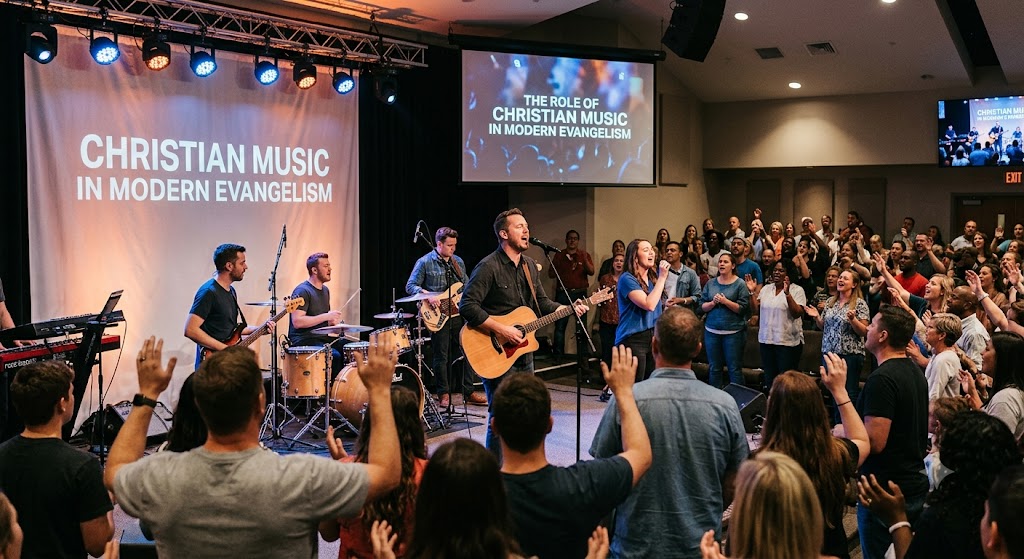
The Role of Christian Music in Modern Evangelism
The Role of Christian Music has become one of the most powerful conversations in today’s faith community because music continues to cross barriers that words alone often cannot. In every generation, believers have searched for meaningful ways to share the message of Jesus Christ with a world that is constantly changing. While methods of communication have evolved from handwritten letters to radio, television, smartphones, podcasts, and social media, one thing has remained remarkably effective. Christian music continues to reach hearts in ways that sermons, debates, and arguments sometimes cannot. A song can quietly enter a person’s life during moments of joy, pain, loneliness, or uncertainty and plant seeds of hope that eventually lead to a life-changing encounter with God. That is why The Role of Christian Music deserves careful attention from every believer, worship leader, church leader, artist, and anyone passionate about sharing the Gospel.
Modern evangelism is very different from what it looked like decades ago. Today, millions of people spend hours every day listening to music through streaming services, watching music videos online, and sharing songs with friends across social media platforms. The church now has opportunities that previous generations could only imagine. A worship song recorded in a small church can reach listeners in countries where missionaries may never physically enter. A gospel artist can release a song that becomes a source of encouragement for someone sitting alone in a hospital, another person struggling with depression, and another who has never attended church. This remarkable reach demonstrates why The Role of Christian Music continues to expand in the digital age.
Music has always occupied a special place in God’s relationship with His people. Throughout Scripture, songs were used to celebrate victories, express repentance, proclaim God’s greatness, teach spiritual truths, and strengthen faith during difficult times. The Psalms remain one of the greatest collections of worship songs ever written, reminding believers that singing to the Lord is more than entertainment. It is an expression of love, gratitude, dependence, and trust. Long before recording studios and streaming platforms existed, God’s people understood that melodies could preserve truth and inspire generations.
One of the greatest strengths of Christian music is its ability to communicate complex spiritual truths in simple, memorable ways. Many people may struggle to remember an entire sermon, but they can recall the lyrics of a meaningful song years later. Music combines words with emotion, making biblical messages easier to remember and more personal. When someone repeatedly listens to songs about God’s love, mercy, forgiveness, and faithfulness, those truths gradually become part of their thinking. This is one reason why The Role of Christian Music extends beyond church services into everyday life.
Modern evangelism requires believers to engage people where they are rather than waiting for them to come to church. Christian music naturally accomplishes this because people listen to songs while driving, working, exercising, studying, cooking, relaxing, and traveling. Every time a gospel song is played, it creates another opportunity for someone to hear about Jesus. Unlike many forms of evangelism that require direct conversations, music often introduces the Gospel gently without making listeners feel pressured. This gentle introduction opens hearts that might otherwise remain closed.
The emotional power of music cannot be ignored. Human beings naturally connect with melodies because music speaks to emotions as well as the mind. During seasons of grief, fear, disappointment, or uncertainty, many people turn to music for comfort. Christian songs that remind listeners of God’s promises become sources of peace during life’s storms. Someone who has never opened a Bible may first discover hope through a worship song that speaks about God’s unfailing love. The Holy Spirit often uses these moments to begin drawing hearts toward Christ.
The Role of Christian Music is especially significant among young people who spend countless hours consuming digital content. Teenagers and young adults frequently discover new artists through social media recommendations, streaming playlists, and short videos. Christian musicians now have unprecedented opportunities to present messages rooted in Scripture while producing music that meets modern artistic standards. When faith-filled lyrics are combined with excellence in songwriting, production, and creativity, they become attractive to listeners who may never intentionally search for a sermon.
Another reason Christian music plays such an important role in evangelism is its universal language. People from different cultures, races, languages, and backgrounds may not share the same customs, but nearly everyone appreciates music. Around the world, believers express worship using local instruments, rhythms, and languages while proclaiming the same Gospel. This diversity demonstrates the beauty of Christianity as a global faith united by one Savior. Whether it is contemporary worship, traditional hymns, gospel choir music, Afro Gospel, Christian rap, acoustic worship, or orchestral praise, every style can become a vehicle for sharing God’s truth when it remains centered on Christ.
Testimonies have always been essential to evangelism, and Christian music often carries powerful testimonies. Many songs are born from personal experiences of healing, restoration, forgiveness, deliverance, or answered prayer. Listeners frequently connect with these authentic stories because they recognize their own struggles within the lyrics. A person battling addiction may hear a song about freedom in Christ and realize that transformation is possible. Someone burdened by guilt may discover through music that forgiveness is available through Jesus. Authentic testimonies within songs remind people that God continues to work in ordinary lives.
The digital revolution has dramatically increased The Role of Christian Music in reaching global audiences. A single worship video uploaded online can receive millions of views within days. Streaming services recommend Christian songs alongside other genres, introducing faith-based music to listeners who might never search for it intentionally. Playlists dedicated to hope, peace, encouragement, and worship attract people looking for emotional support, often leading them toward biblical truths. Social media users regularly share meaningful lyrics that encourage friends and family during difficult moments, extending the reach of the Gospel beyond church walls.
Churches have also recognized how music creates welcoming environments for visitors. Many people first experience the presence of God during worship before they fully understand the sermon. Music prepares hearts by creating moments of reflection, gratitude, humility, and openness. Well-led worship services encourage people to participate rather than merely observe. Visitors who initially feel uncomfortable often discover themselves singing along with lyrics that declare God’s goodness and grace. These moments can become turning points in their spiritual journey.
Christian artists carry significant responsibility because their influence reaches far beyond entertainment. Listeners often look to musicians for encouragement, leadership, and authenticity. While artistic excellence is valuable, genuine faith remains even more important. Songs rooted in Scripture possess lasting impact because they direct attention toward Jesus rather than human personalities. Artists who remain humble, teachable, and committed to biblical truth strengthen the credibility of their ministry while pointing audiences toward Christ instead of themselves.
The Role of Christian Music is also evident in missions. Missionaries frequently use songs to teach biblical truths in communities with limited literacy. Simple choruses help new believers memorize Scripture and understand foundational Christian doctrines. Children often learn about God’s love through songs before they can fully comprehend theological explanations. Music becomes an educational tool that supports discipleship while making the Gospel accessible across language barriers.
Many people who are hesitant to discuss religion openly still enjoy listening to inspirational music. Christian songs often create opportunities for conversations that would never begin otherwise. Someone may ask about the meaning behind certain lyrics, opening the door for believers to explain the message of salvation. In this way, music becomes a bridge rather than a barrier. It allows relationships to develop naturally while presenting biblical truth with compassion and creativity.
The healing influence of Christian music has also contributed significantly to modern evangelism. Hospitals, prisons, rehabilitation centers, nursing homes, and community outreach programs regularly use gospel music to encourage those facing hardship. While music itself does not replace medical care or counseling, it often provides emotional and spiritual strength during difficult seasons. Countless testimonies describe individuals who encountered God’s peace while listening to worship songs during moments of despair. These experiences frequently inspire people to seek a deeper relationship with Christ.
Families also benefit from the influence of Christian music. Parents who regularly play worship songs at home create environments where biblical truths become part of everyday life. Children naturally memorize lyrics, internalize Scripture-based messages, and develop positive spiritual habits. Family worship through music encourages conversations about faith that continue beyond Sunday services. As these children grow, the songs they learned often remain with them throughout adulthood, reminding them of God’s presence even during seasons of spiritual struggle.
One of the remarkable aspects of Christian music is its ability to unite believers from different denominations and traditions. While churches may differ in worship styles or secondary theological perspectives, songs centered on Jesus Christ often bring Christians together in shared worship. This unity strengthens the church’s witness before the world because it demonstrates that believers are united by their love for Christ rather than divided by personal preferences. Modern evangelism becomes more effective when Christians focus on the central message of salvation through Jesus.
The influence of Christian music extends beyond church gatherings into mainstream culture. Some gospel songs achieve widespread popularity because their messages of hope, forgiveness, resilience, and love resonate with broad audiences. Even listeners who do not initially identify as Christians may find themselves deeply moved by lyrics that reflect biblical principles. God often uses these moments to awaken curiosity about faith, prompting individuals to explore the Scriptures and learn more about Jesus.
Technology has further expanded The Role of Christian Music through podcasts, livestream worship sessions, online concerts, music apps, and virtual church services. During periods when physical gatherings become difficult, believers can still worship together across continents. Digital platforms have transformed local ministries into global movements, allowing independent Christian musicians to share their message without depending solely on traditional record labels. This accessibility has created countless opportunities for evangelism that continue to grow each year.
Creativity remains one of God’s gifts to humanity, and Christian musicians reflect that creativity through songwriting, composition, arrangement, and performance. Excellence in music honors God because it demonstrates stewardship of the talents He has given. High-quality Christian music also challenges the outdated assumption that faith-based art cannot compete with secular productions. As more gifted musicians dedicate their abilities to serving Christ, the quality and influence of Christian music continue to increase across the world.
At the same time, believers must remember that music alone cannot save anyone. Salvation comes only through faith in Jesus Christ. Christian songs become effective tools because they point listeners toward the Savior rather than replacing Him. The greatest gospel songs consistently direct attention to God’s holiness, humanity’s need for redemption, Christ’s sacrifice on the cross, His resurrection, and the hope of eternal life. When these truths remain central, music fulfills its highest purpose in evangelism.
Prayer also plays an essential role in the ministry of Christian music. Behind every impactful song are often musicians, writers, producers, worship leaders, and churches seeking God’s guidance. Spiritual preparation matters because genuine ministry flows from a relationship with God rather than technical ability alone. Audiences may admire musical talent, but transformed lives result from the work of the Holy Spirit. Prayer keeps Christian musicians dependent on God and reminds them that eternal impact belongs to Him.
The Role of Christian Music in Modern Evangelism
The Role of Christian Music continues to evolve as new generations develop fresh sounds, creative expressions, and innovative methods of sharing the Gospel. While musical styles may change over time, the message of Jesus Christ remains unchanged. This balance between timeless truth and cultural relevance allows Christian music to remain effective across generations. Churches that embrace meaningful innovation while remaining faithful to Scripture position themselves to reach more people with the Gospel.
Believers should also support Christian artists through encouragement, prayer, attendance at concerts, legal streaming, and sharing uplifting songs with others. Every recommendation, playlist, and social media post has the potential to introduce someone to music that could influence their spiritual journey. Evangelism is not limited to preachers or missionaries. Ordinary Christians participate whenever they share songs that proclaim God’s love and truth with family members, friends, coworkers, classmates, and neighbors.
Christian music also reminds believers that worship extends beyond singing. Songs inspire listeners to live lives of obedience, compassion, generosity, forgiveness, and service. True worship continues after the music ends because transformed hearts demonstrate God’s love through daily actions. Evangelism becomes more credible when people hear songs about Christ and then witness believers living according to those same truths. Music and lifestyle together create a compelling testimony that points others toward Jesus.
History repeatedly demonstrates that spiritual awakenings are often accompanied by songs that inspire faith and unity. From ancient hymns to modern worship anthems, music has strengthened believers during persecution, revived churches during seasons of decline, and encouraged missionaries serving in distant lands. Every generation has produced songs that captured the spiritual hunger of its time while proclaiming the unchanging message of God’s grace. Today’s generation has the privilege and responsibility of continuing that legacy.
As society becomes increasingly fast paced and digitally connected, people continue searching for meaning, peace, hope, and purpose. Christian music meets this search with messages grounded in eternal truth rather than temporary trends. It reminds listeners that God sees them, loves them, forgives them, and invites them into a personal relationship through Jesus Christ. In a world filled with noise, confusion, fear, and uncertainty, songs centered on God’s promises offer lasting hope that cannot be manufactured by human effort alone.
The Role of Christian Music will remain essential as long as there are people who need to hear the Gospel. Whether through congregational worship, personal devotion, mission outreach, online streaming, community events, youth gatherings, family worship, or individual testimonies, Christian music continues to open hearts and point lives toward Jesus. Every faithful song becomes another opportunity for someone to encounter God’s love, experience His transforming grace, and begin a lifelong journey of faith. When believers use music with humility, excellence, biblical integrity, and genuine love for people, it becomes far more than entertainment. It becomes a living testimony of God’s goodness, a voice of hope in a troubled world, and a powerful instrument for modern evangelism that continues leading countless people into the life-changing presence of Christ.

Leave a Reply