
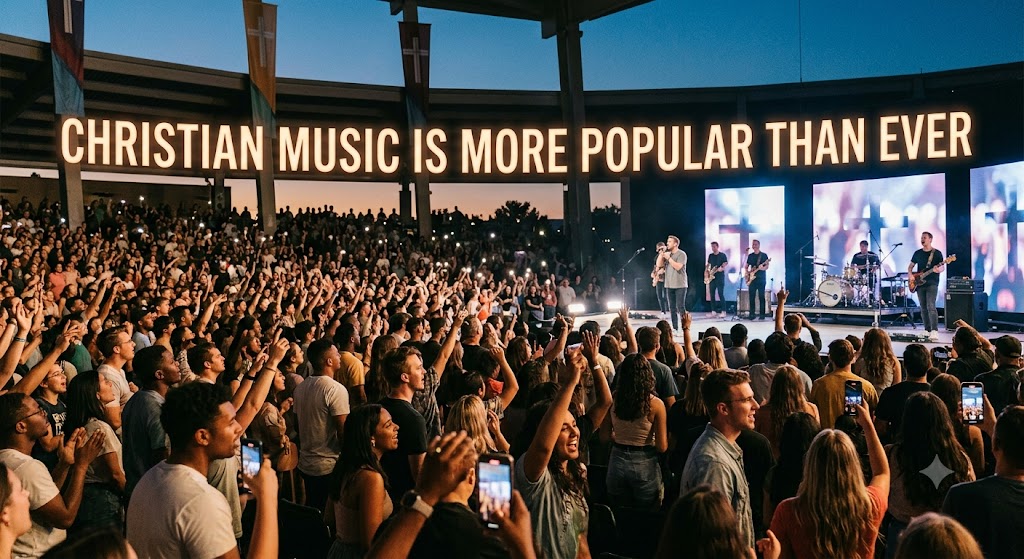
Christian Music Is More Popular Than Ever
If you have noticed more people listening to worship songs on their morning commute, gospel playlists climbing streaming charts, Christian artists collaborating with mainstream musicians, or churches producing songs that are sung in different languages around the world, you are witnessing something remarkable. Christian Music Is More Popular than it has been in decades, and this is not happening by accident. What was once considered a niche genre is now reaching audiences across continents, cultures, and generations. From Africa to Europe, from North America to Asia, millions of people are discovering music that not only entertains but also encourages, heals, and strengthens their faith.
Christian Music Is More Popular because people are searching for something deeper than temporary entertainment. The modern world is filled with noise, distractions, anxiety, uncertainty, and endless competition. Social media constantly tells people they are not enough. News headlines often focus on conflict and fear. Many people carry emotional burdens they never speak about publicly. In the middle of all this, Christian music offers something different. It offers hope. It reminds listeners that God is still in control, His love never changes, and His promises remain true regardless of life’s circumstances.
Unlike music that simply captures emotions, Christian music often points listeners toward healing. A worship song can remind someone that they are loved by God even when they feel rejected by the world. A gospel song can strengthen a believer who is walking through grief, disappointment, or uncertainty. This emotional and spiritual connection explains why Christian Music Is More Popular among people from different backgrounds, including those who may not even identify as Christians.
The growth of streaming platforms has also played a significant role. Years ago, discovering Christian music often required attending church events, purchasing physical albums, or listening to dedicated Christian radio stations. Today, everything has changed. With just a smartphone and an internet connection, listeners can instantly access thousands of worship songs, gospel albums, live performances, and inspirational playlists. Streaming services recommend Christian songs alongside other genres, introducing millions of new listeners to artists they may never have discovered otherwise.
This accessibility has removed barriers that once limited Christian music’s reach. Someone searching for peaceful music to study with might stumble upon instrumental worship. Another person searching for motivational songs may discover contemporary Christian artists. A listener looking for African rhythms may encounter Afro Gospel and become captivated by its message. Every day, technology is introducing new audiences to Christian music without requiring them to actively search for it.
Social media has amplified this movement even further. Platforms like TikTok, Instagram, Facebook, and YouTube have transformed how songs spread across the world. A thirty-second clip of a worship chorus can become the soundtrack for millions of videos. A heartfelt performance shared online can inspire people across continents within hours. Christian artists no longer depend entirely on record labels or traditional media. They can speak directly to their audiences, share testimonies behind their songs, livestream worship sessions, and build genuine communities around faith.
Christian Music Is More Popular because its message travels far beyond church walls. People share worship songs after receiving good news. Others post gospel music during difficult seasons. Families create playlists for road trips. Students listen while studying. Workers play worship music during office hours. Parents sing Christian lullabies to their children. The music becomes woven into everyday life rather than remaining something reserved for Sunday services.
Another reason Christian Music Is More Popular is the remarkable improvement in production quality. Modern Christian artists invest heavily in songwriting, recording, mixing, mastering, visual storytelling, and live performances. Today’s gospel albums often match or even exceed the production standards found in mainstream music. Listeners no longer feel they must choose between excellent musical quality and meaningful spiritual content because many Christian artists deliver both.
The songwriting itself has also evolved. While classic hymns remain deeply treasured, contemporary Christian music now incorporates modern language, relatable life experiences, and fresh musical styles without abandoning biblical truth. Many songs address anxiety, depression, loneliness, forgiveness, identity, hope, and restoration. These themes resonate deeply because they reflect real struggles people face every day.
One of the strongest reasons Christian Music Is More Popular is authenticity. Audiences today are remarkably skilled at recognizing whether an artist genuinely believes the message they sing. Many Christian musicians openly share their personal testimonies, struggles, victories, doubts, and dependence on God. Instead of presenting themselves as perfect individuals, they acknowledge their weaknesses while pointing listeners toward Christ. This honesty builds trust and creates lasting connections.
Global collaboration has also expanded the reach of Christian music. Worship leaders from different countries now work together on multilingual songs that unite believers around the world. African gospel choirs collaborate with American worship teams. Latin American Christian artists release bilingual albums. Asian worship ministries share songs that are translated into dozens of languages. Music has become one of the strongest expressions of the global Church’s unity.
Africa deserves special recognition in this remarkable growth. Across Nigeria, Ghana, South Africa, Kenya, Uganda, and many other nations, gospel music continues to flourish. African worship combines vibrant rhythms, heartfelt lyrics, passionate praise, and deep spiritual conviction. Afro Gospel has become one of the fastest-growing expressions of Christian music globally, influencing churches and listeners far beyond the continent.
Christian Music Is More Popular because it reflects the diversity of God’s people. There are traditional hymns for those who appreciate timeless melodies. There is contemporary worship for modern congregations. Gospel choirs deliver powerful harmonies. Christian hip hop reaches younger audiences. Christian rock appeals to energetic listeners. Acoustic worship creates intimate moments of reflection. Instrumental worship helps people pray and study. Every generation can find music that speaks to them while keeping Christ at the center.
Families also play a major role in this popularity. Parents increasingly desire music that reinforces positive values rather than messages promoting violence, hatred, immorality, or hopelessness. Christian music provides an alternative that encourages kindness, forgiveness, gratitude, faith, and love. Many parents feel comfortable allowing their children to listen to worship music because the lyrics nurture healthy emotional and spiritual development.
Churches have embraced technology in ways that have dramatically expanded their influence. Thousands of congregations now livestream worship services every week. Songs once heard only by local church members now reach viewers across the world. Someone in another country can discover a worship song during an online church service and begin listening regularly. These digital ministries have introduced countless people to Christian music who might never have entered a church building.
The COVID pandemic unexpectedly accelerated this trend. During lockdowns, millions of people searched online for comfort, hope, and peace. Many found Christian worship livestreams, online concerts, and gospel playlists. Even after restrictions ended, countless individuals continued listening because the music had become a source of emotional stability during uncertain times. For many listeners, worship music became associated with healing, resilience, and renewed faith.
Christian Music Is More Popular because it speaks to both believers and seekers. A Christian may listen to deepen their relationship with God. Someone questioning faith may listen out of curiosity. Another person may simply enjoy the beautiful melodies before eventually paying attention to the lyrics. Music often reaches hearts before sermons can. Throughout history, songs have carried truth into places where conversations might never happen.
Scientific research has consistently shown that music influences emotions, memory, concentration, and mental well-being. While Christian music should never be reduced to therapy alone, many listeners testify that worship songs help calm anxious thoughts, reduce stress, and provide comfort during difficult seasons. When these emotional benefits combine with biblical truth, the impact becomes even more profound.
Another important reason Christian Music Is More Popular is that it encourages participation rather than passive listening. Worship songs invite people to sing along, pray, reflect, and express gratitude. Whether someone is alone in their bedroom, driving a car, or standing in a congregation, Christian music creates opportunities for personal engagement with God. The listener becomes an active participant rather than merely a consumer.
Live worship events continue attracting enormous crowds around the world. Stadiums filled with believers singing together demonstrate that Christian music remains deeply relevant. These gatherings create unforgettable moments of unity, reminding participants they are part of something much bigger than themselves. Even those watching online often describe feeling connected despite being thousands of miles away.
Christian Music Is More Popular because its purpose extends beyond commercial success. While artists certainly appreciate album sales, streaming numbers, and concert attendance, many openly state that their greatest desire is to glorify God and lead people closer to Jesus Christ. This higher purpose distinguishes Christian music from industries driven primarily by financial success or celebrity status.
The accessibility of independent music production has also transformed the landscape. Talented worship leaders no longer need expensive recording contracts before sharing their songs. Affordable recording equipment, digital distribution platforms, and social media allow independent Christian musicians to reach global audiences directly. As a result, fresh voices continue emerging from churches, communities, and nations that were previously underrepresented.
YouTube has become one of the most influential platforms for Christian music. Live worship sessions, lyric videos, acoustic performances, choir recordings, and testimony videos receive millions of views. Many people discover worship songs through recommendation algorithms after watching unrelated content. Once introduced, they often continue exploring additional Christian artists, expanding the audience even further.
Spotify, Apple Music, Amazon Music, and other streaming platforms have made curated Christian playlists incredibly popular. Morning worship playlists, prayer music collections, peaceful instrumental worship, praise anthems, and gospel classics allow listeners to find music that fits every moment of life. These playlists introduce emerging artists alongside established names, helping Christian music grow continuously.
Christian Music Is More Popular because it offers lasting messages rather than temporary trends. While many popular songs lose relevance after a few months, timeless worship songs continue blessing listeners for years or even generations. Songs about God’s faithfulness, grace, mercy, forgiveness, and salvation never become outdated because the truths they proclaim remain eternal.
The influence of Christian music on personal testimony cannot be overstated. Countless believers share stories of hearing one particular song during a difficult season that transformed their perspective. Some encountered Christ for the first time through music. Others found strength to forgive, courage to continue living, or peace after overwhelming loss. These testimonies spread naturally through conversations, churches, and social media, encouraging others to listen.
Another significant factor is excellence in worship ministry. Churches increasingly recognize that music ministry involves both spiritual preparation and musical development. Worship teams dedicate time to rehearsals, songwriting, theological understanding, and servant leadership. As excellence increases, so does the quality of music reaching congregations and online audiences.
Young people are also reshaping the future of Christian music. Rather than rejecting faith-based music, many young believers actively create new expressions of worship using modern production techniques while remaining rooted in Scripture. Christian rap, spoken word, electronic worship, indie folk, Afrobeat gospel, and contemporary choir arrangements demonstrate remarkable creativity without compromising biblical truth.
Christian Music Is More Popular because it adapts culturally while preserving its central message. Musical styles change over time, but the Gospel remains constant. This flexibility allows Christian artists to connect with new generations while proclaiming the same timeless truths about God’s love, Jesus Christ’s sacrifice, and the hope of eternal life.
Christian Music Is More Popular Than Ever
Many listeners also appreciate the emotional honesty found in Christian songs. Rather than pretending life is always easy, worship music often acknowledges pain, confusion, waiting, disappointment, and spiritual struggle. Yet instead of ending in despair, these songs point toward God’s faithfulness. This balance between realism and hope resonates deeply because it reflects authentic Christian living.
Christian music also strengthens community. Churches learn songs together. Families sing during devotions. Friends attend concerts together. Choir members rehearse weekly. Worship teams serve faithfully. Online communities discuss favorite songs, share testimonies, and recommend new artists. Music creates shared experiences that strengthen relationships within the body of Christ.
As Christian Music Is More Popular across different cultures, translation efforts have expanded significantly. Worship songs are translated into dozens of languages, allowing believers worldwide to worship using lyrics they understand. At the same time, local churches compose original songs reflecting their unique cultural expressions while remaining faithful to Scripture. This combination of global unity and local creativity continues enriching Christian music worldwide.
Critics sometimes assume Christian music succeeds only because of religious audiences. However, many listeners who are not practicing Christians openly acknowledge appreciating the musical excellence, emotional depth, and positive messages found in gospel and worship songs. Some begin listening purely because they enjoy the sound before gradually becoming interested in the faith behind the lyrics.
Christian Music Is More Popular because it offers hope without denying reality. It celebrates joy without ignoring suffering. It proclaims forgiveness in a world filled with resentment. It speaks about eternal purpose in a culture often consumed by temporary pleasures. These contrasts make Christian music increasingly attractive as people search for meaning beyond material success.
The Church has always understood the importance of music. Throughout Scripture, singing accompanies celebration, repentance, thanksgiving, victory, lament, and worship. King David wrote psalms that continue inspiring believers thousands of years later. Early Christians sang hymns together despite persecution. Throughout history, music has remained central to Christian faith because songs help believers remember truth, express devotion, and encourage one another.
Today, this biblical tradition continues through countless new songs being written around the world. Every generation contributes fresh expressions of worship while standing upon foundations laid by previous generations. This ongoing creativity ensures Christian music remains vibrant, relevant, and spiritually nourishing.
Looking ahead, the future appears incredibly bright. Advances in technology will make Christian music even more accessible. Independent artists will continue reaching international audiences. Churches will keep writing songs that reflect local experiences while proclaiming universal biblical truth. Artificial intelligence may assist production processes, but genuine worship, heartfelt testimony, and Spirit-filled songwriting will always require human hearts surrendered to God.
In the end, the answer is beautifully simple. Christian Music Is More Popular because people are hungry for hope, truth, peace, purpose, and genuine love. They are looking for songs that lift rather than tear down, encourage rather than discourage, unite rather than divide, and point beyond temporary circumstances toward eternal hope. Christian music does all of these while directing every listener to the greatest message ever proclaimed, the saving love of Jesus Christ.
As long as people continue searching for comfort during difficult seasons, celebrating God’s goodness during joyful moments, seeking peace in uncertain times, and longing for a deeper relationship with their Creator, Christian Music Is More Popular will remain more than a passing trend. It will continue growing because its foundation is not built upon changing fashions or cultural popularity but upon the unchanging truth of God’s Word. That timeless message gives Christian music a unique power that transcends generations, languages, and borders, ensuring that its influence will continue expanding for many years to come.

Leave a Reply