
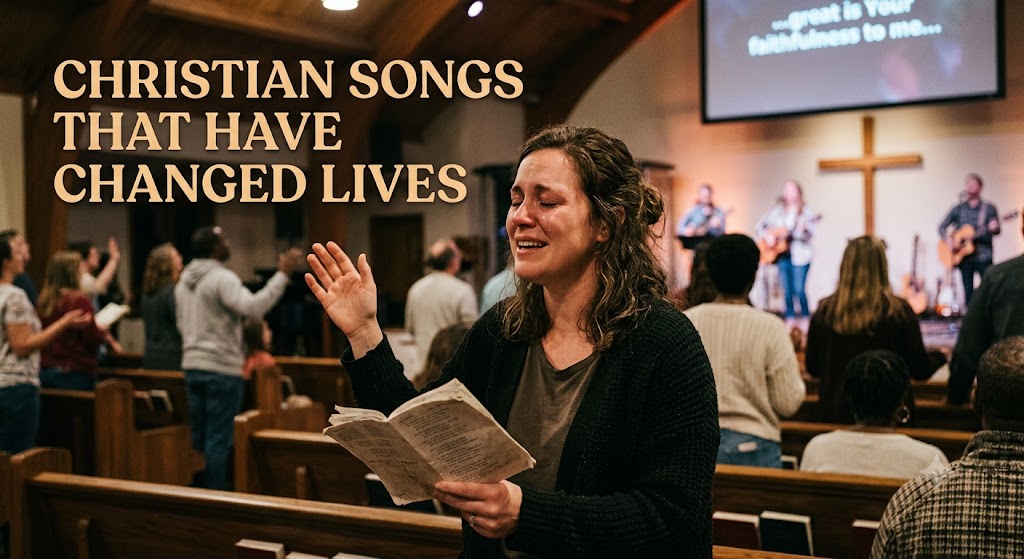
Christian Songs That Have Changed Lives
There are moments in life when words alone are not enough. There are seasons when pain is too deep for ordinary conversations, joy is too overwhelming for simple expressions, and hope seems too far away to be reached by human encouragement. In those moments, music has a unique way of reaching places in the heart that nothing else can touch. Among all genres of music, Christian songs have stood out for centuries as a source of healing, comfort, strength, restoration, and spiritual transformation. When people talk about Christian songs that have changed lives, they are referring to much more than beautiful melodies or emotional performances. They are talking about songs that have helped broken people find hope, discouraged believers rediscover their faith, grieving families experience peace, and countless individuals encounter God in ways they never imagined possible.
Christian songs that have changed lives continue to inspire millions of people every day because they are built upon timeless biblical truths rather than temporary human emotions. While musical styles evolve and trends come and go, the message of God’s love, mercy, forgiveness, grace, and salvation remains constant. This unchanging foundation is one of the greatest reasons Christian music continues to impact lives across different cultures, generations, and nations.
Throughout history, worship has always been connected to music. From the songs of Moses after the Israelites crossed the Red Sea to the Psalms written by David, music has served as a powerful expression of faith. The early church embraced songs of praise, and Christians throughout every generation have continued this tradition. Today, Christian songs reach billions through churches, streaming platforms, radio stations, concerts, social media, and personal playlists. The technology may be modern, but the purpose remains the same, to glorify God and encourage His people.
Many people can point to a particular Christian song that arrived at exactly the right moment in their lives. Sometimes it happened during a hospital stay while waiting for life changing news. Sometimes it came during financial hardship when every door seemed closed. Others heard a song while driving alone, battling anxiety, depression, loneliness, or fear. Some encountered Christ for the very first time through a gospel song they happened to hear unexpectedly. These experiences explain why Christian songs that have changed lives continue to be shared from one generation to another.
One remarkable characteristic of Christian music is that it reminds listeners they are never alone. In a world filled with uncertainty, the message that God is present, faithful, and trustworthy becomes life giving. Songs based on scriptures reassure believers that God’s promises never fail. Even when circumstances remain difficult, hearing those promises sung repeatedly allows faith to grow stronger than fear.
Many people underestimate the power of repetition in worship music. When biblical truths are sung repeatedly, they become deeply rooted in the mind and heart. A person may struggle to memorize long Bible passages, yet they can remember every word of a worship song years after hearing it. During moments of crisis, those lyrics often return to their memory and provide encouragement exactly when it is needed most. This is one of the hidden reasons Christian songs that have changed lives continue to have lasting influence long after the music stops playing.
Another reason Christian songs transform lives is because they shift attention away from human limitations and toward God’s greatness. Problems naturally become larger when we focus on them continuously. Worship redirects our attention to God’s power, wisdom, faithfulness, and love. The circumstances may not change immediately, but the perspective changes. Fear begins to lose its grip. Hope begins to grow. Faith replaces despair. This spiritual transformation often begins with a simple song of worship.
Countless testimonies exist of individuals who were considering giving up on life before hearing a Christian song that reminded them of God’s unconditional love. Many pastors have shared stories of people walking into church carrying emotional burdens they could not explain, only to find healing during the worship session before the sermon even began. While every person’s journey is unique, the common thread remains that God often uses music as a vessel to communicate His presence.
Christian songs that have changed lives are not limited to one style of music. Traditional hymns continue to impact believers decades and even centuries after they were written. Contemporary worship songs reach younger generations through modern arrangements. Gospel choirs inspire congregations with joyful expressions of praise. Acoustic worship creates intimate moments of reflection. Afro gospel, Christian hip hop, Christian pop, country gospel, southern gospel, and many other styles all point listeners toward the same Savior. The diversity of musical expression demonstrates that the Gospel transcends cultural and stylistic boundaries.
Many classic hymns have survived hundreds of years because their messages remain as relevant today as when they were first composed. Songs like Amazing Grace continue to remind people that no one is beyond God’s forgiveness. How Great Thou Art inspires awe at God’s majesty. It Is Well with My Soul continues to comfort grieving hearts because it was born out of unimaginable personal tragedy. Knowing the stories behind these songs often makes their impact even greater.
Modern worship songs have also become powerful testimonies of transformed lives. Songs declaring God’s faithfulness, victory, mercy, and presence resonate with believers facing today’s challenges. Whether someone is struggling with mental health, unemployment, broken relationships, addiction, illness, or uncertainty about the future, Christian music provides reminders that God remains sovereign over every circumstance.
One of the reasons Christian songs that have changed lives continue to spread globally is because emotions are universal. Every culture understands sorrow, joy, hope, fear, gratitude, and love. When biblical truth is combined with heartfelt music, language barriers become less significant. Around the world, millions gather every week to sing songs proclaiming God’s goodness. Though they may speak different languages, they worship the same Lord.
Families have also experienced transformation through Christian music. Parents who consistently fill their homes with worship often discover that their children naturally become familiar with biblical truths. Songs learned during childhood frequently remain in memory throughout adulthood. Many adults can still sing worship songs they learned decades earlier because those lyrics became permanently engraved in their hearts.
Christian music also plays an important role during life’s major milestones. Weddings often include worship songs celebrating God’s covenant and faithfulness. Funerals feature songs reminding believers of eternal hope. Baptisms become memorable through joyful praise. Church anniversaries, conferences, revival meetings, prayer gatherings, and mission events all rely on music to unite hearts around God’s presence.
There is also growing scientific interest in how music affects the human brain. Researchers have found that music can influence emotions, reduce stress, improve memory, and create lasting psychological effects. While science explains some aspects of music’s influence, believers recognize that Christian music carries something even greater. When worship is centered on biblical truth and offered sincerely to God, the Holy Spirit works through those songs to bring conviction, encouragement, healing, and renewal in ways that cannot be measured by research alone.
One beautiful aspect of Christian songs that have changed lives is their ability to unite people who might otherwise have nothing in common. Within a congregation, wealthy and poor, young and old, educated and uneducated, people from different ethnic backgrounds and life experiences can stand side by side singing the same words of praise. Music becomes a reminder that every believer belongs to one family under Christ.
Christian artists also carry significant responsibility. Their influence extends far beyond entertainment. Every lyric has the potential to strengthen faith or create confusion. This is why many respected Christian musicians invest considerable time studying Scripture and seeking God’s guidance before writing songs. Their desire is not simply to produce popular music but to create worship that accurately reflects biblical truth.
Many listeners appreciate authenticity more than perfection. Some of the most impactful Christian songs were written during seasons of personal struggle rather than moments of success. Songwriters who honestly express dependence upon God during hardship often create music that deeply resonates with others facing similar battles. These songs remind listeners that faith does not eliminate suffering but provides hope through it.
Technology has dramatically expanded the reach of Christian music. Decades ago, believers primarily heard worship songs in church services, radio broadcasts, or physical recordings. Today, anyone with an internet connection can instantly access thousands of worship songs from around the world. Streaming platforms, podcasts, social media, and video sharing websites have introduced Christian music to audiences who may never have entered a church building.
Christian Songs That Have Changed Lives
This increased accessibility has allowed Christian songs that have changed lives to reach prisons, hospitals, refugee camps, military bases, schools, workplaces, nursing homes, and remote villages. Missionaries frequently report that worship music opens hearts to the Gospel even before lengthy conversations begin. Songs communicate emotion, hope, and truth in ways that often transcend traditional teaching methods.
Many believers intentionally create daily routines centered around worship music. Starting each morning with songs of praise helps establish a mindset of gratitude before facing daily responsibilities. Others listen during commutes, exercise, household chores, or evening prayer. These simple habits continually refocus attention upon God throughout the day.
Christian music also strengthens personal prayer. Sometimes believers struggle to find words during difficult seasons. Worship songs often become prayers themselves. Singing lyrics about surrender, trust, forgiveness, thanksgiving, and dependence upon God allows worshippers to express feelings they cannot easily articulate on their own.
Church history contains countless accounts of revival movements accompanied by powerful worship. As people gathered to seek God, songs became expressions of repentance, unity, and renewed commitment. Even today, many revival meetings begin with extended worship because music prepares hearts to receive God’s Word with openness and humility.
Young people especially benefit from Christ centered music in today’s digital culture. They are constantly surrounded by messages promoting materialism, selfishness, unhealthy relationships, and empty success. Christian songs provide an alternative narrative rooted in God’s love, purpose, holiness, and eternal hope. When young believers consistently fill their minds with biblical truth through music, they build stronger spiritual foundations for the future.
Christian songs that have changed lives also remind believers that worship extends beyond church buildings. True worship becomes a lifestyle expressed through obedience, gratitude, service, and love. The songs serve as daily reminders of God’s character, encouraging believers to reflect Christ in every area of life.
Many testimonies involve people who initially rejected Christianity yet found themselves unexpectedly moved by a worship song. Sometimes curiosity about the lyrics led them to read the Bible for the first time. Others attended church after hearing a gospel performance. Some experienced conviction simply because a particular lyric addressed exactly what they were experiencing internally. God often uses unexpected avenues to draw people toward Himself.
Another reason Christian music remains so influential is because it celebrates hope even during suffering. Unlike messages that deny pain or pretend life is always easy, many worship songs acknowledge hardship while affirming God’s faithfulness. This balance creates authenticity that resonates deeply with listeners navigating real challenges.
Forgiveness is another recurring theme within Christian music. Songs reminding believers of God’s mercy encourage them to release bitterness and embrace reconciliation. Countless marriages, friendships, and family relationships have been restored because people chose forgiveness after reflecting upon truths expressed through worship music.
Gratitude also flourishes through Christian songs. Modern life often encourages constant comparison and dissatisfaction. Worship redirects attention toward God’s blessings rather than life’s deficiencies. Hearts filled with gratitude naturally experience greater peace, contentment, and joy regardless of circumstances.
Christian songs that have changed lives continue impacting future generations because they preserve testimonies of God’s faithfulness. Every worship song represents someone declaring that God is worthy of praise. Those testimonies encourage others to trust Him during their own seasons of uncertainty.
Even individuals who are not yet believers sometimes find themselves attracted to Christian music because of its themes of hope, peace, love, and purpose. While emotional response alone does not produce genuine faith, these songs frequently become starting points for deeper spiritual conversations. The Gospel message contained within faithful Christian lyrics continues planting seeds that God can nurture over time.
One remarkable feature of Christian worship is that its ultimate focus is not the singer, songwriter, band, or audience. The central focus remains God Himself. When worship remains centered upon Christ rather than personalities, it continues pointing listeners toward eternal truth instead of temporary popularity.
As society continues changing rapidly, the need for encouraging, biblically grounded music becomes even greater. People face increasing levels of uncertainty, loneliness, fear, and emotional exhaustion. Christian songs answer these realities by continually reminding listeners that God’s promises remain unchanged. His grace still saves. His mercy still restores. His peace still calms troubled hearts. His love still transforms lives.
For believers, worship is never merely about enjoying beautiful melodies. It is about responding to God’s goodness with thankful hearts. Every song becomes an opportunity to remember His faithfulness, celebrate His salvation, declare His promises, and strengthen personal faith. These moments gradually shape attitudes, decisions, relationships, and spiritual growth over time.
The stories behind Christian songs that have changed lives will continue multiplying as long as people continue seeking God through worship. Every generation will discover new songs while preserving timeless classics that have strengthened believers for centuries. Some songs will comfort the grieving. Others will inspire missionaries. Some will restore broken families. Others will encourage pastors, strengthen churches, comfort prisoners, uplift healthcare workers, and give courage to ordinary believers facing extraordinary challenges.
Ultimately, the lasting impact of Christian songs that have changed lives does not rest in musical talent alone but in the eternal truth they proclaim. Melodies may capture attention, harmonies may stir emotions, and performances may inspire admiration, but it is the message of Jesus Christ that transforms hearts forever. Every lyric pointing people toward God’s grace, forgiveness, redemption, and unfailing love carries the potential to change a life.
That is why Christian songs continue echoing across generations, cultures, languages, and continents. They remind the weary that there is rest in Christ. They remind the fearful that God is in control. They remind the guilty that forgiveness is available through Jesus. They remind the lonely that God never leaves His children. They remind the discouraged that hope is never lost. They remind every believer that worship is more than music. It is the joyful response of hearts transformed by the saving grace of God, and that timeless truth ensures that Christian songs that have changed lives will continue changing countless more lives for generations to come.

Leave a Reply