
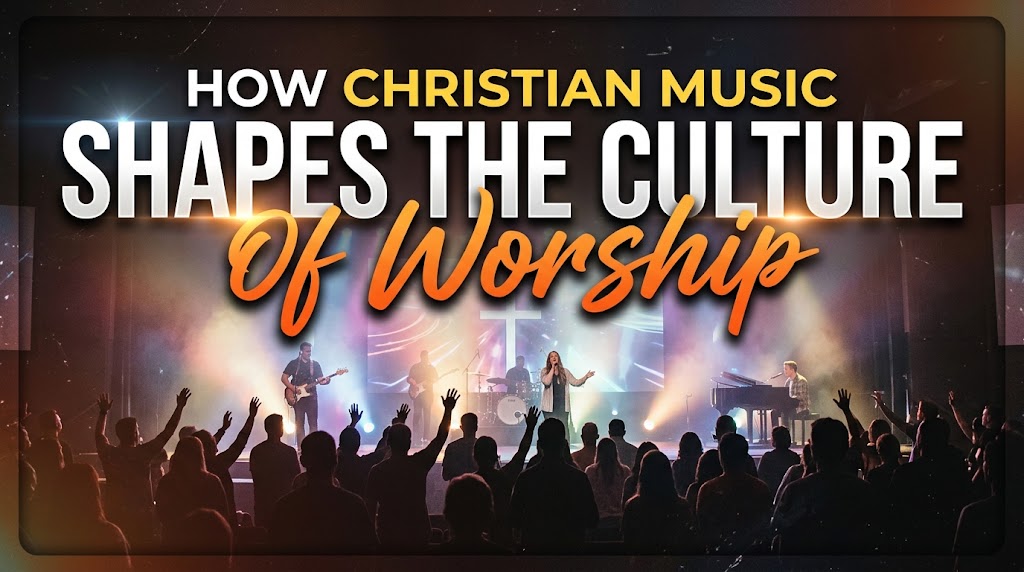
How Christian Music Shapes the Culture of Worship
How Christian Music Shapes the Culture of Worship
There was a time when I thought worship was mainly about what happened during a church service. I believed worship began when the musicians stepped onto the stage, the instruments started playing, and the congregation stood to sing. As the years went by, however, I began to realise that worship is far deeper than a collection of songs sung on a Sunday morning. Worship is a response to God, a lifestyle of honour, gratitude, obedience, and devotion. Yet while worship extends beyond music, I also discovered that music remains one of the most powerful influences on how believers understand, experience, and express their worship. This understanding led me to appreciate more deeply how Christian Music Shapes the Culture of Worship in churches, homes, communities, and even personal spiritual journeys.
Music has always occupied a unique place in human life. Long before modern technology made songs available at the touch of a button, people used music to celebrate victories, mourn losses, tell stories, preserve traditions, and communicate emotions that words alone could not fully express. Within Christianity, music has played an even greater role. From the songs of the Israelites in the Old Testament to the hymns of the early Church and the worship anthems of today, music has continually served as a bridge connecting believers to God and to one another.
One of the most significant ways Christian music shapes the culture of worship is by influencing how believers perceive God. The songs people sing regularly often become deeply embedded in their hearts and minds. Many Christians can remember lyrics from worship songs more easily than entire sermons. This does not diminish the value of preaching, but it highlights the remarkable power of music. When believers consistently sing songs about God’s faithfulness, mercy, holiness, love, and power, those truths begin to shape their understanding of who God is. Over time, worship music becomes a form of spiritual formation, reinforcing biblical truths and helping believers internalise them.
I have personally experienced moments when a worship song stayed with me throughout the week long after the church service ended. During challenging periods of uncertainty, certain lyrics repeatedly reminded me that God was still in control. The sermon may have inspired me for the day, but the song continued speaking to my heart throughout the week. This illustrates how Christian music extends the influence of worship beyond the church building. It accompanies believers into their workplaces, homes, schools, and everyday responsibilities, helping cultivate a continual awareness of God’s presence.
How Music Has Influenced My Own Faith
As a gospel music artist, I have come to appreciate music not only as something that communicates a message, but also as something that can shape the person creating it. Many of the songs I write begin with gratitude for God’s grace and mercy during personal experiences and different seasons of my life.
When I reflect on those experiences, I often find that songwriting gives me a way to think more deeply about what God has done and what I have learned. A lyric can capture a thought that has been developing in my heart, while a melody can help me express gratitude in a way ordinary conversation sometimes cannot.
Writing gospel music has also made me more conscious of the message I am putting into a song. I want the words to do more than sound good. I want them to communicate faith, gratitude, worship, hope, and God’s faithfulness.
I have also learned that a song can continue influencing people after it leaves the hands of the songwriter. A listener may hear words that remind them of God’s goodness, encourage them during a difficult season, or inspire them to pray and reflect. That possibility gives songwriting a deeper purpose for me.
This is why I want the music I create through Godsfame Music to be both creative and meaningful. My hope is that the songs will not only be heard, but that their messages will encourage people and remain with them beyond the few minutes of the recording.
This is why I want the music I create through Godsfame Music to be both
Christian music also shapes the culture of worship by creating a shared language among believers. One of the most beautiful experiences in Christian gatherings is witnessing people from different backgrounds, ages, professions, and cultures singing together with one voice. In those moments, social distinctions become less important because everyone is focused on glorifying God. Music creates unity in a way few other forms of communication can achieve. A congregation may consist of people with different personalities and life experiences, yet a single worship song can bring them together in a common expression of faith.
This unity becomes even more remarkable on a global scale. Across continents, believers worship using songs translated into multiple languages. Although cultural styles may differ, the central message remains the same. Christian music enables believers worldwide to participate in a collective culture of worship centred on Jesus Christ. Through music, churches separated by geography can still share common expressions of praise, gratitude, and devotion.
Another important aspect of how Christian Music Shapes the Culture of Worship is its ability to influence emotional engagement. Human beings are emotional creatures. God created people with the ability to feel joy, sorrow, gratitude, hope, excitement, and compassion. Music often serves as a vehicle through which these emotions are expressed in worship. A worship song can help believers articulate feelings that may otherwise be difficult to communicate. During moments of celebration, songs provide an outlet for joy. During seasons of hardship, they offer comfort and reassurance.
Some critics occasionally argue that worship should not be driven by emotions. While it is true that worship should not depend solely on feelings, emotions themselves are not enemies of genuine worship. Throughout Scripture, worship frequently involves emotional expression. The Psalms, for example, contain songs filled with praise, lament, thanksgiving, repentance, and hope. Christian music allows believers to bring their emotions before God honestly while anchoring those emotions in biblical truth. As a result, worship becomes both heartfelt and spiritually grounded.
The culture of worship within many churches is also shaped by the songs that congregations sing regularly. Certain songs emphasise God’s majesty and sovereignty. Others focus on His grace and redemption. Some celebrate the resurrection, while others encourage trust during difficult circumstances. Over time, these recurring themes influence the collective spiritual identity of a congregation. Churches often develop distinct worship cultures based on the messages conveyed through their music. While doctrinal teaching remains essential, worship songs frequently reinforce those teachings in memorable and accessible ways.
Christian music also plays a crucial role in helping believers remember Scripture. Many worship songs draw directly from biblical passages or are inspired by biblical themes. The combination of melody and lyrics makes it easier for people to memorise spiritual truths. Even children often learn biblical concepts through songs before they can fully understand complex theological explanations. This educational aspect of worship music has been evident throughout Christian history. Hymns, choruses, and contemporary worship songs have all served as tools for teaching doctrine and reinforcing biblical knowledge.
Looking back on my own spiritual journey, I can recall numerous occasions when songs helped me understand biblical truths more clearly. Certain passages of Scripture became more meaningful because they were expressed through music. Singing those truths repeatedly helped move them from intellectual knowledge into practical belief. In this way, Christian music becomes more than entertainment. It becomes a form of discipleship.
Technology has expanded the influence of Christian music in ways previous generations could hardly imagine. Today, worship songs can be streamed instantly from virtually anywhere in the world. Believers have access to thousands of worship songs across multiple genres and languages. This accessibility has significantly influenced the culture of worship. Christians no longer depend solely on church services to engage with worship music. They can listen while driving, exercising, working, studying, or spending quiet time with God.
This increased accessibility has helped create a more continuous worship culture. Many believers intentionally use Christian music to shape the atmosphere of their daily lives. Instead of limiting worship to scheduled gatherings, they integrate worship music into their routines. As a result, the influence of worship extends beyond specific events and becomes woven into everyday experiences.
Christian music also shapes worship culture by inspiring creativity within the Church. Throughout history, believers have expressed their faith through diverse musical styles and artistic approaches. Every generation contributes its unique voice while remaining connected to the timeless message of the Gospel. This ongoing creativity keeps worship vibrant and relevant without changing its essential purpose. Whether through traditional hymns, choir arrangements, acoustic worship, contemporary praise, or culturally specific expressions, Christian music demonstrates that worship can be both timeless and fresh.
One of the most encouraging developments in recent years has been the growth of Christian music from different regions of the world. African gospel music, for example, has gained significant international recognition. These songs often bring unique rhythms, cultural influences, and expressions of joy that enrich the global worship experience. As believers share music across cultures, the worldwide Church gains a broader appreciation for the many ways God’s people worship Him. This cultural exchange strengthens the global worship community and highlights the diversity of God’s family.
At the same time, Christian music challenges believers to examine the sincerity of their worship. While music can enhance worship, it should never become the object of worship itself. There is always a temptation to focus more on performance, production quality, or personal preferences than on God. Healthy worship cultures recognise that music is a tool rather than the ultimate goal. The purpose of Christian music is to direct attention towards God, not towards musicians, singers, or entertainment value.
I have attended worship services with impressive technology, talented musicians, and professionally produced music. I have also participated in simple gatherings where worship consisted of a few voices singing without elaborate equipment. In both situations, the most meaningful experiences occurred when people genuinely focused on God. These experiences reminded me that while music shapes worship culture, the heart of worship remains centred on God’s presence and worthiness.
Christian music further shapes the culture of worship by encouraging perseverance during difficult seasons. Life inevitably includes challenges, disappointments, losses, and unanswered questions. During such times, worship songs often provide strength when words fail. Many believers can testify to moments when a song carried them through grief, fear, or uncertainty. The lyrics reminded them of God’s promises, while the melodies offered comfort and hope. In this way, Christian music serves as a source of spiritual encouragement that sustains faith during adversity.
The influence of worship music extends beyond individual believers to entire communities. Churches frequently use music during outreach events, conferences, prayer gatherings, and special celebrations. Worship songs create opportunities for people to encounter Christian messages in memorable and emotionally engaging ways. Some individuals who may never read a theological book or attend a Bible study are nevertheless impacted by the message contained within a song. Christian music often becomes a doorway through which people begin exploring faith.
Another reason how Christian Music Shapes the Culture of Worship remains such an important topic is that music influences expectations surrounding worship experiences. Songs often establish the tone and atmosphere of gatherings. They can encourage reflection, celebration, gratitude, repentance, or anticipation. As congregations repeatedly engage with particular styles and themes, they develop expectations about what worship should feel like. Wise church leaders understand the importance of balancing meaningful musical experiences with sound biblical teaching to ensure that worship remains centred on God rather than personal preferences.
As I reflect on the role of Christian music in my own life, I am continually amazed by its lasting impact. Songs learned years ago still surface unexpectedly during moments of prayer, gratitude, or difficulty. Certain melodies instantly remind me of significant spiritual experiences. Others bring Scripture to mind or encourage me to trust God more deeply. These experiences demonstrate the profound influence music has on shaping not only individual worship but also the broader culture of worship within the Christian community.
What I Hope My Music Contributes
As I continue creating gospel music through Godsfame Music, I want to be intentional about the influence the songs can have. Many of my songs come from gratitude for God’s grace and mercy during personal experiences and different seasons of my life. Those experiences have taught me that music can carry a message long after the moment that inspired it has passed.
I want the music I create to encourage people to turn their hearts toward God, remember His faithfulness, and think more deeply about their own walk of faith. I also want to keep learning as an artist, because meaningful worship requires both a sincere heart and careful attention to the message being communicated.
For me, shaping a culture of worship is not about creating music that draws attention to the artist. It is about creating songs that help point people beyond the music and toward God.
My prayer is that every song I release will leave people with more than a melody—that it will leave them with a reason to remember God, give thanks, and worship.

Leave a Reply