
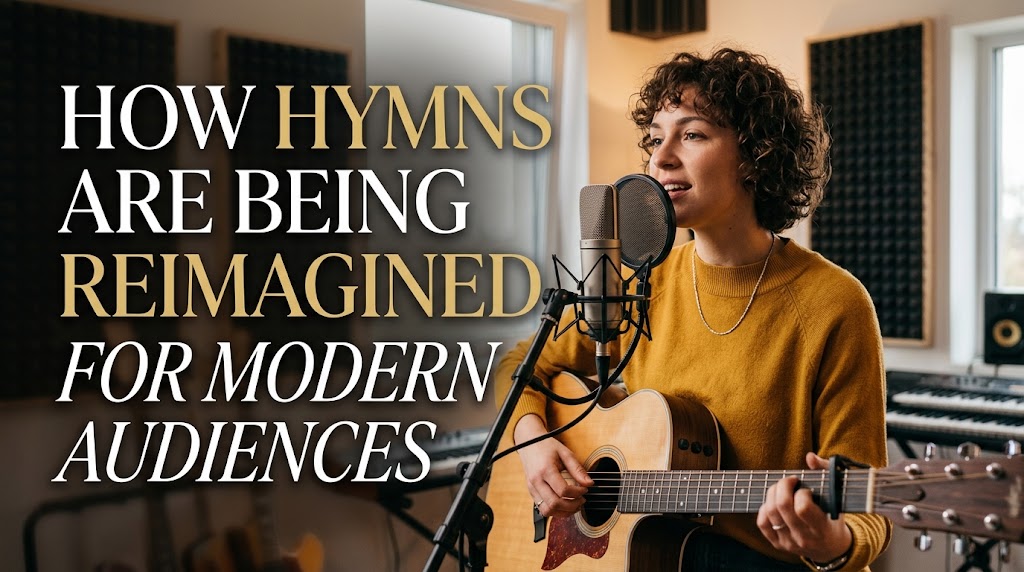
How Hymns Are Being Reimagined for Modern Audiences
How Hymns Are Being Reimagined for Modern Audiences
For centuries, hymns have occupied a special place in Christian worship. They have carried the faith of generations, taught biblical truths, inspired devotion, and provided comfort during life’s most challenging moments. Long before digital streaming services, worship playlists, and contemporary Christian music, hymns served as the soundtrack of faith for countless believers around the world. Their timeless messages, rich theology, and memorable melodies helped shape Christian communities and personal spiritual journeys. Yet as culture continues to evolve and musical preferences shift, many people have wondered whether traditional hymns still have a place in modern worship. Interestingly, rather than disappearing, hymns are experiencing a remarkable revival. The answer lies in understanding how hymns are being reimagined for modern audiences.
The discussion surrounding how hymns are being reimagined for modern audiences reveals a fascinating blend of tradition and innovation. Churches, worship leaders, musicians, producers, and songwriters are finding creative ways to preserve the spiritual depth of classic hymns while presenting them in forms that resonate with contemporary listeners. This transformation is allowing hymns to reach younger generations who may never have encountered these treasured songs in their original format.
One of the most noticeable ways hymns are being reimagined for modern audiences is through updated musical arrangements. Traditional hymns were often accompanied by organs or pianos and performed in formal church settings. While these arrangements remain meaningful to many worshippers, modern musicians are introducing fresh instrumentation that reflects current musical trends. Acoustic guitars, electric guitars, drums, keyboards, orchestral elements, and even electronic sounds are being incorporated into classic hymns. These contemporary arrangements create a familiar listening experience for younger audiences while preserving the powerful messages contained within the lyrics.
Songs such as “Amazing Grace,” “It Is Well with My Soul,” and “Be Thou My Vision” have been transformed through modern production techniques that appeal to listeners accustomed to contemporary worship music. The melodies remain recognisable, but the musical atmosphere often feels entirely new. This balance between preserving tradition and embracing innovation has played a significant role in ensuring the continued relevance of hymns in today’s worship environment.
Another important aspect of how hymns are being reimagined for modern audiences involves lyrical adaptation. While many classic hymns contain profound theological truths, some were written in language that may feel unfamiliar to modern readers and listeners. Archaic vocabulary, outdated expressions, and complex sentence structures can sometimes create barriers to understanding. To address this challenge, contemporary songwriters occasionally update certain words and phrases while maintaining the original message and doctrinal integrity of the hymn.
These adaptations help make hymns more accessible without compromising their spiritual depth. By using language that modern congregations naturally understand, worship leaders can help believers engage more deeply with the content of these songs. This approach ensures that the truths communicated through hymns remain relevant and meaningful across generations.
The rise of contemporary worship music has also contributed significantly to how hymns are being reimagined for modern audiences. Many worship artists are blending traditional hymn lyrics with newly written choruses, bridges, and musical sections. This creative approach allows classic hymns to flow naturally alongside contemporary worship songs. The result is a hybrid worship experience that honours the past while embracing the present.
These modern hymn adaptations often introduce emotional and musical dynamics that resonate strongly with today’s worshippers. Additional choruses provide opportunities for congregational participation, while new musical sections can reinforce key theological themes. By combining familiar hymn texts with contemporary songwriting techniques, artists are creating worship experiences that feel both timeless and current.
Technology has also transformed how hymns are being reimagined for modern audiences. In previous generations, access to hymns was largely limited to church services and printed hymnals. Today, digital platforms have expanded the reach of these songs beyond traditional worship settings. Streaming services, social media, video-sharing platforms, and music apps allow listeners to discover, share, and engage with hymns in ways that were previously impossible.
A young believer browsing a streaming platform may encounter a modern version of a centuries-old hymn alongside contemporary Christian music. Social media clips featuring powerful hymn performances can introduce classic songs to millions of viewers worldwide. Online worship sessions and virtual church services further extend the reach of hymns, making them accessible to people regardless of location or denominational background.
The influence of Christian recording artists has been another driving force behind how hymns are being reimagined for modern audiences. Many well-known worship leaders and Christian musicians have recorded modern interpretations of beloved hymns. These artists often bring fresh perspectives and creative arrangements that attract listeners who might not otherwise seek out traditional hymn collections.
When respected contemporary artists perform hymns, they help bridge the gap between historical worship traditions and modern musical preferences. Their influence encourages younger believers to explore the rich heritage of Christian worship while providing a fresh context for understanding these timeless songs. As a result, hymns continue to find new audiences and maintain their relevance in an ever-changing cultural landscape.
The growing popularity of live worship recordings has further contributed to how hymns are being reimagined for modern audiences. Many churches and worship ministries now produce live albums that feature modern versions of classic hymns. These recordings capture the energy, passion, and communal experience of congregational worship, allowing listeners to experience hymns in a dynamic and engaging way.
Live performances often emphasise emotional connection and spiritual authenticity, helping listeners appreciate the enduring power of hymn lyrics. The combination of contemporary arrangements and genuine worship experiences creates an atmosphere where traditional hymns feel alive and relevant rather than outdated or distant.
Another fascinating development in how hymns are being reimagined for modern audiences is the growing emphasis on cultural diversity. As Christianity continues to expand globally, believers from different cultural backgrounds are interpreting hymns through their own musical traditions. African rhythms, Latin influences, Asian musical styles, and indigenous instruments are being incorporated into hymn performances around the world.
These culturally diverse expressions enrich the worship experience and demonstrate the universal nature of the Christian faith. By embracing different musical traditions, churches are helping hymns connect with a wider range of people while celebrating the global diversity of the body of Christ. This cultural adaptation ensures that hymns remain relevant and meaningful in a variety of contexts.
The educational value of hymns has also contributed to their continued popularity. Many contemporary worship leaders recognise that hymns often contain a level of theological depth that is difficult to replicate in modern songwriting. While contemporary worship music frequently emphasises personal devotion and emotional expression, hymns often provide detailed explanations of Christian doctrine, biblical truths, and spiritual principles.
As churches seek to strengthen discipleship and biblical literacy, hymns are increasingly being used as teaching tools. Modern arrangements make these songs more accessible while preserving the theological richness that has made them valuable for generations. This educational function is a significant reason why discussions about how hymns are being reimagined for modern audiences continue to gain attention.
The renewed interest in authenticity within worship culture has also played a role in the resurgence of hymns. Many believers are seeking worship experiences that feel grounded, meaningful, and spiritually substantial. In an age characterised by rapid change and constant innovation, hymns offer a sense of stability and connection to the broader history of the Christian faith.
When worshippers sing hymns that have been sung by believers for hundreds of years, they participate in a tradition that transcends time and culture. Modern adaptations allow contemporary audiences to experience this connection without feeling disconnected from their own musical preferences. This balance between historical continuity and present-day relevance is a key aspect of how hymns are being reimagined for modern audiences.
Church leaders are increasingly recognising the value of intergenerational worship, and hymns play an important role in achieving this goal. In many congregations, different age groups have varying musical preferences. Older members may feel a strong connection to traditional hymns, while younger worshippers often prefer contemporary worship styles. Modern hymn arrangements help bridge this divide by creating worship experiences that appeal to multiple generations.
This ability to unite diverse groups within the church is one of the most powerful outcomes of how hymns are being reimagined for modern audiences. Rather than creating division between traditional and contemporary worship preferences, these adaptations foster unity and mutual appreciation. They remind believers that while musical styles may change, the truths of the Christian faith remain constant.
The future of hymns appears remarkably promising. As technology continues to evolve and worship practices adapt to changing cultural realities, new opportunities will emerge for introducing hymns to future generations. Artificial intelligence, immersive worship experiences, virtual reality environments, and innovative music production techniques may further transform how these songs are experienced and shared.
However, regardless of the specific methods used, the enduring appeal of hymns ultimately rests on the timeless truths they communicate. Their messages of grace, redemption, hope, faith, and God’s unfailing love continue to resonate with people across cultures and generations. Modern adaptations may change the musical presentation, but the spiritual foundation remains unchanged.
Understanding how hymns are being reimagined for modern audiences reveals a broader truth about Christian worship itself. The church has always adapted its methods while preserving its message. Throughout history, believers have used the musical styles and technologies available to communicate eternal truths in relevant ways. Today’s reimagined hymns represent the latest chapter in that ongoing story.
Far from becoming relics of the past, hymns are finding new life through creativity, innovation, and cultural adaptation. Their ability to evolve while maintaining their theological integrity demonstrates their enduring value within Christian worship. As new generations discover these songs through contemporary arrangements, digital platforms, and creative worship experiences, hymns continue to fulfil their original purpose of pointing people toward God.
The growing popularity of modern hymn adaptations shows that meaningful worship is not defined by age or style but by the truth it communicates and the hearts it touches. Through thoughtful reimagining, hymns are continuing to inspire faith, strengthen communities, and deepen worship experiences for believers around the world. Their enduring legacy serves as a powerful reminder that while musical expressions may change, timeless truths never go out of style. As churches and artists continue exploring how hymns are being reimagined for modern audiences, these treasured songs will undoubtedly remain a vital and influential part of Christian worship for generations to come.

Leave a Reply