
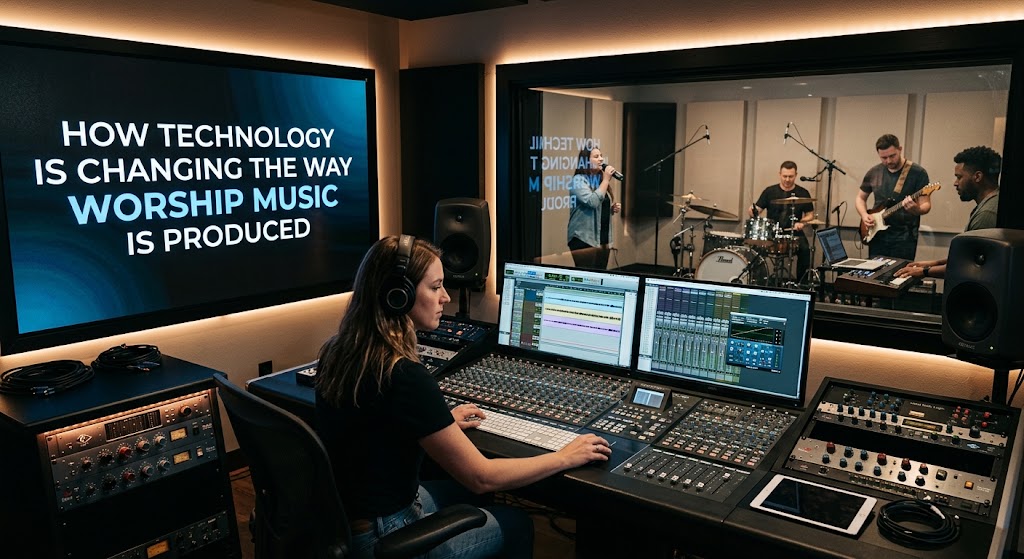
How Technology Is Changing the Way Worship Music Is Produced
How Technology Is Changing the Way Worship Music Is Produced is a topic that continues to attract attention from church leaders, worship teams, gospel artists, music producers, and Christian music enthusiasts around the world. The relationship between faith and music has existed for thousands of years, but the tools used to create, record, distribute, and experience worship music have evolved dramatically over time. From ancient instruments and handwritten hymns to modern recording studios and digital streaming platforms, technology has consistently influenced the way believers express their faith through music. Today, technological advancements are transforming worship music production at a pace never seen before, opening doors for creativity, accessibility, collaboration, and global outreach.
For many years, producing worship music required significant financial resources, access to professional recording studios, expensive equipment, and highly trained engineers. Churches and independent gospel musicians often faced challenges when trying to create high-quality recordings because the costs associated with production were beyond their reach. As a result, many talented worship leaders and Christian songwriters struggled to share their music with wider audiences. Technology has changed this reality. Affordable recording software, powerful computers, and user-friendly production tools have made it possible for worship music creators to produce professional-quality songs from home studios. What once required an entire production team can now be accomplished by a small group of dedicated individuals equipped with modern technology.
Digital audio workstations have become one of the most significant innovations influencing worship music production. Programs such as Logic Pro, Pro Tools, Cubase, Ableton Live, and Studio One allow musicians to record, edit, arrange, mix, and master songs with remarkable precision. Worship leaders no longer need to rely solely on traditional studio environments. They can record vocals, instruments, and backing tracks in their homes, church offices, or dedicated project studios. This flexibility has dramatically reduced production costs while increasing opportunities for creativity. Artists can experiment with arrangements, layer multiple sounds, and refine recordings until they achieve the desired result.
The availability of virtual instruments has also revolutionized worship music creation. In the past, producers often needed access to numerous physical instruments and skilled musicians to achieve a full and rich sound. Today, software-based instruments can accurately replicate pianos, strings, drums, orchestras, synthesizers, guitars, and countless other sounds. This development allows worship music producers to create expansive arrangements even when working with limited resources. A songwriter can sit in front of a computer and build an entire worship track using virtual instruments before a single live musician enters the recording process. This level of accessibility has empowered many churches and independent gospel artists to produce music that rivals commercially released recordings.
Another major aspect of How Technology Is Changing the Way Worship Music Is Produced involves collaboration. Modern communication platforms have eliminated geographical barriers that once restricted creative partnerships. Worship musicians from different countries can now work together on projects without ever meeting in person. Producers can send session files electronically, vocalists can record from remote locations, and instrumentalists can contribute performances from their home studios. This global collaboration has introduced fresh perspectives and diverse musical influences into worship music. Songs now reflect a broader range of cultural expressions, creating worship experiences that resonate with believers from various backgrounds.
The rise of cloud-based technology has further enhanced collaboration and efficiency. Producers can store project files securely online, allowing team members to access and contribute to songs from anywhere in the world. Changes can be made instantly, and feedback can be shared in real time. This seamless workflow accelerates the production process while maintaining high standards of quality. Churches with multiple campuses can coordinate worship music projects more effectively, ensuring consistency across different locations.
Technology has also transformed the recording process itself. Modern microphones, audio interfaces, and digital converters provide exceptional sound quality at a fraction of the cost of older equipment. Noise reduction tools, pitch correction software, and advanced editing features allow producers to polish recordings with remarkable precision. While some critics argue that excessive editing can remove authenticity, many producers view these tools as valuable resources that help communicate worship music more effectively. The goal is not perfection for its own sake but creating a listening experience that enables worshippers to focus on the message rather than technical distractions.
How Technology Is Changing the Way Worship Music Is Produced
Live worship recording has experienced significant improvements because of technological advancements. Many churches now capture services using sophisticated recording systems that produce high-quality audio and video content. These recordings can be edited and released as live albums, extending the impact of worship experiences beyond the church walls. Worshippers who were unable to attend services can participate remotely through online platforms. The ability to stream worship services and release live recordings has expanded the reach of local church ministries in unprecedented ways.
Artificial intelligence is beginning to influence worship music production as well. AI-powered tools can assist with mixing, mastering, sound design, and audio restoration. These technologies help producers streamline workflows and improve efficiency. While AI cannot replace the spiritual inspiration, creativity, and human connection that are essential to worship music, it can support technical aspects of production. By automating repetitive tasks, AI allows musicians and producers to devote more time to songwriting, ministry, and artistic expression.
The impact of technology extends beyond production into songwriting. Songwriters now have access to a vast range of digital resources that support creativity and learning. Online tutorials, songwriting courses, chord databases, lyric tools, and collaborative platforms provide valuable guidance for aspiring worship composers. Technology has democratized knowledge, enabling individuals from diverse backgrounds to develop their musical skills. As a result, more voices are contributing to the global worship music landscape, enriching the variety of songs available to churches and believers.
Streaming platforms have become a crucial part of the worship music ecosystem. Once a song is produced, technology makes distribution easier than ever before. Artists can release music worldwide through digital services without relying on traditional record labels. Worship songs can reach listeners instantly through streaming platforms, social media, and online music stores. This accessibility has allowed independent gospel artists to build audiences, share testimonies, and minister to people across continents. The barriers that once limited exposure have largely disappeared, creating opportunities for faith-based music to reach new generations.
Social media has also become a powerful tool for worship music promotion. Churches and artists can share song snippets, behind-the-scenes content, live performances, and devotional messages with global audiences. These platforms create direct connections between musicians and listeners, fostering engagement and community. Worship songs often gain popularity through viral sharing, helping messages of faith spread rapidly across digital networks. Technology has transformed promotion from a costly marketing effort into an accessible and interactive process.
Video production technology has become increasingly important in worship music. High-quality music videos, lyric videos, and live performance recordings enhance audience engagement and provide additional opportunities for ministry. Affordable cameras, editing software, and production tools enable churches and independent artists to create visually compelling content. Video has become an essential part of modern worship music communication, allowing messages to connect with audiences in more immersive ways.
Technology has significantly improved worship team preparation as well. Digital planning platforms allow worship leaders to organise setlists, distribute sheet music, share rehearsal recordings, and coordinate team schedules efficiently. Musicians can access resources from their smartphones, tablets, or computers, reducing administrative challenges and improving readiness for services. This efficiency allows worship teams to focus more on spiritual preparation and ministry effectiveness.
The use of click tracks, in-ear monitoring systems, and digital stage management tools has elevated the quality of live worship performances. These technologies help musicians stay synchronized, maintain consistent tempos, and deliver cohesive presentations. Larger churches often rely on these systems to coordinate complex arrangements involving multiple vocalists, instrumentalists, and production teams. While these tools may not be necessary for every congregation, they demonstrate how technology can support excellence in worship environments.
Another significant aspect of How Technology Is Changing the Way Worship Music Is Produced is the growth of online learning. Aspiring worship musicians and producers no longer need formal music education to develop valuable skills. Countless tutorials, masterclasses, webinars, and online communities provide instruction on recording, mixing, songwriting, and performance techniques. This access to knowledge has empowered a new generation of Christian creatives who are passionate about using their talents for ministry.
Technology has also expanded opportunities for multilingual worship music. Producers can collaborate with translators, vocalists, and musicians from different cultures to create songs in multiple languages. This capability strengthens global worship movements and allows churches to connect with diverse congregations. As worship music becomes increasingly international, technology serves as a bridge that unites believers across linguistic and cultural boundaries.
The influence of data analytics is another interesting development. Streaming services and social media platforms provide valuable insights into audience behaviour. Artists and ministries can understand which songs resonate most strongly with listeners, where their audiences are located, and how people engage with their content. While worship music should never be driven solely by statistics, these insights can help ministries make informed decisions about outreach and resource allocation.
Despite the many benefits, technology also presents challenges. The ease of production and distribution has created a highly competitive environment where thousands of songs are released regularly. Standing out requires both musical quality and authentic ministry. There is also the risk of becoming overly dependent on technology, allowing technical excellence to overshadow spiritual depth. Worship music ultimately exists to glorify God and lead people into meaningful encounters with Him. Technology should serve this purpose rather than become the primary focus.
Many church leaders emphasize the importance of maintaining balance. High-quality production can enhance worship experiences, but genuine worship remains rooted in faith, sincerity, and devotion. Technology can amplify a message, but it cannot replace the presence of God or the transformative power of heartfelt worship. Successful worship music production combines technical excellence with spiritual authenticity, ensuring that innovation supports ministry rather than distracting from it.
Looking ahead, the future of worship music production will likely involve even more technological advancements. Virtual reality worship experiences, immersive audio formats, enhanced live streaming capabilities, and increasingly sophisticated AI tools may continue reshaping the industry. Churches and artists who embrace these innovations thoughtfully will have new opportunities to reach audiences and communicate the gospel effectively.
How Technology Is Changing the Way Worship Music Is Produced is not simply a story about equipment, software, or digital platforms. It is a story about expanding opportunities for ministry, creativity, and global connection. Technology has empowered worship leaders, churches, and Christian artists to produce music with greater quality, efficiency, and reach than ever before. It has broken down barriers, encouraged collaboration, and enabled messages of faith to travel across the world instantly. While the tools will continue to evolve, the heart of worship music remains unchanged. Its purpose is to honour God, inspire believers, and communicate hope to a world in need. Technology is helping that mission reach further than previous generations could have imagined, ensuring that worship music continues to thrive in an increasingly connected world.

Leave a Reply