
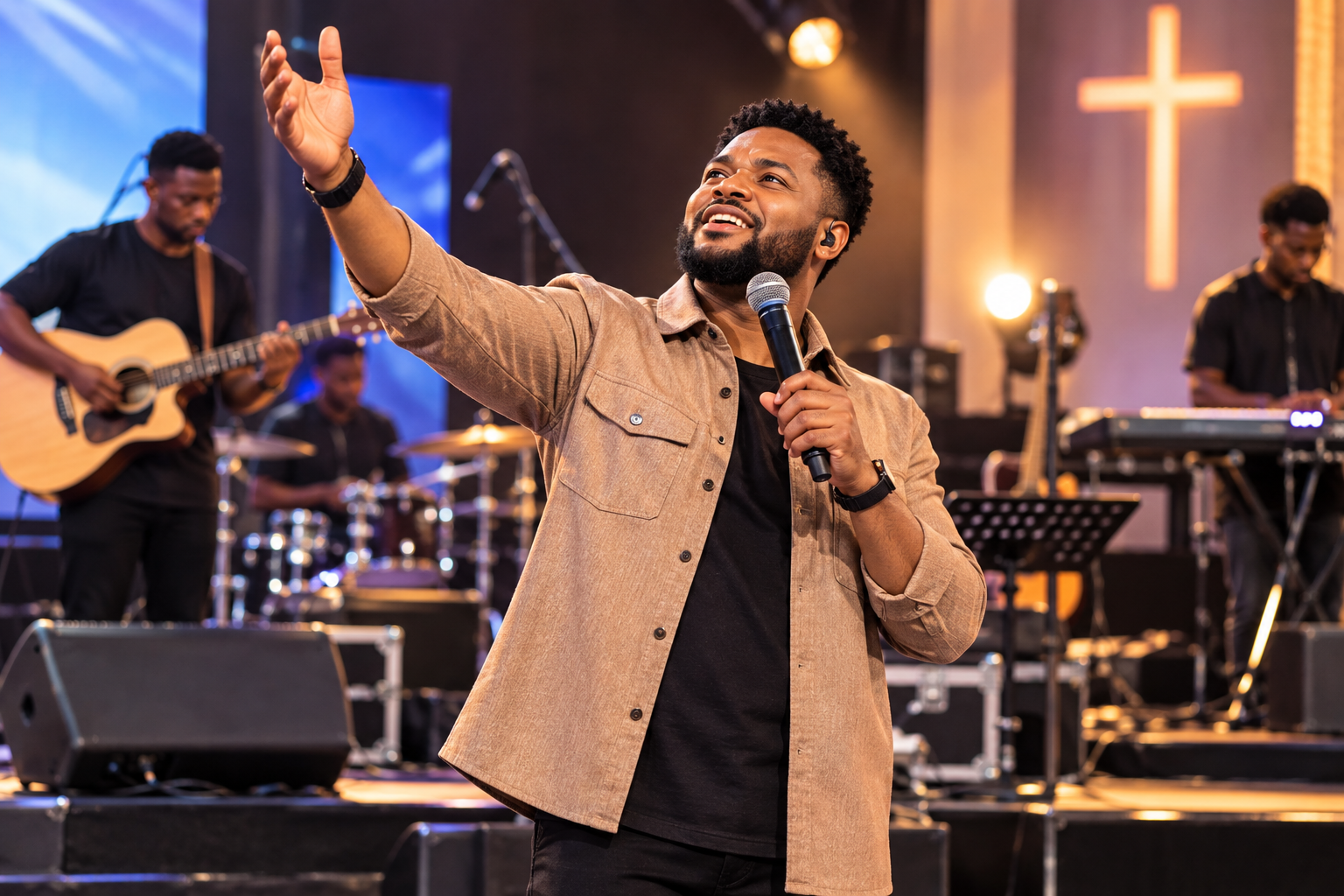
How to Prepare for Your First Live Gospel Music Performance
How to Prepare for Your First Live Gospel Music Performance
Performing gospel music live for the first time can be both exciting and challenging. You may have spent weeks writing songs, recording in a studio, or practising with your choir, but standing before a live audience introduces a different experience.
You must think about your voice, timing, stage presence, equipment, communication with musicians, and the message you want to share. Good preparation helps you perform with greater confidence and gives the audience a more meaningful experience.
Whether you have been invited to sing at a church service, gospel concert, worship night, or community event, these practical steps can help you prepare.
1. Choose Your Songs Carefully
Your song selection can influence the entire performance. Instead of choosing songs simply because they are popular or technically impressive, consider the event, audience, available time, and purpose of the gathering.
If you are performing at a church service, for example, songs that encourage worship and reflection may be suitable. A gospel concert may allow room for energetic praise songs alongside slower, reflective music.
Prepare a setlist in advance and arrange the songs in a sensible order. Consider beginning with a song that helps you settle into the performance, followed by songs that develop the atmosphere you want to create.
Also, confirm how much time you have. If the organiser gives you fifteen minutes, prepare a set that fits comfortably within that limit.
2. Practise More Than Just the Lyrics
Knowing the lyrics is important, but live performance requires more than memorisation.
Practise the beginning and ending of every song. Know when the instruments enter, when you should pause, and how you will move from one section to another.
If you work with backing vocalists or instrumentalists, rehearse together whenever possible. Agree on the song keys, tempo, introductions, endings, and any changes from the recorded version.
Record a rehearsal on your phone and listen carefully. You may notice unclear words, rushed phrases, weak transitions, or sections that need more practice.
The purpose of rehearsal is not to remove every possibility of a mistake. It is to become sufficiently prepared that you can recover calmly when something unexpected happens.
3. Prepare Your Voice
Your voice is one of your most important performance tools, so give it appropriate care before the event.
Begin with gentle vocal warm-ups and exercises suited to your range. Avoid forcing high notes repeatedly or attempting difficult vocal runs when your voice is tired.
Drink water regularly and allow time for rest before the performance. Avoid excessive shouting during rehearsals or other activities that strain your voice.
If a song contains a difficult section, practise it carefully and consider whether the original key suits your voice. You do not have to sing every song in the same key as the recording.
A comfortable key can help you sing more consistently and communicate the song’s message clearly.
4. Arrange Your Equipment and Technical Needs
Technical problems can interrupt a performance, particularly when you are working with an unfamiliar sound team.
Before the event, confirm what equipment will be provided. Ask about microphones, microphone stands, monitor speakers, backing tracks, keyboard arrangements, and other requirements.
If you are using backing tracks, ensure that the files are available in the correct format and that the organiser knows how they should be played. Keep a backup copy where practical.
Prepare a short technical checklist:
- Confirm the microphone and sound system.
- Check the backing track or instrumental arrangement.
- Ensure the correct song versions are available.
- Test your monitor level.
- Confirm the opening and ending cues.
- Keep any essential cables, adapters, or other personal equipment ready.
If possible, arrive early enough to complete a sound check rather than trying to solve technical issues immediately before going on stage.
5. Learn to Manage Stage Nervousness
Feeling nervous before a first performance is common. You may worry about forgetting lyrics, missing a note, or being judged by the audience.
Preparation is one of the best ways to manage these concerns. Rehearse thoroughly, arrive early, and become familiar with the stage before your turn.
Take a few slow, comfortable breaths while waiting. Avoid comparing yourself with more experienced singers or imagining every possible mistake.
If you forget a lyric, keep calm and return to the next familiar line. If the instrumental arrangement continues, allow yourself a moment to recover instead of stopping unnecessarily.
Remember that your first performance is also an opportunity to learn. You do not need to demonstrate perfection to give a sincere and meaningful performance.
6. Develop Natural Stage Presence
Stage presence is not simply about moving around, dancing, or making dramatic gestures. It includes how you communicate with the audience, carry yourself, and deliver the song.
Practise holding the microphone comfortably, standing in a balanced position, and looking up from time to time instead of focusing only on the floor or lyrics.
Your movements should suit the song. An energetic praise song may invite more movement, while a reflective worship song may call for a quieter approach.
Avoid copying another artist’s mannerisms without considering whether they suit you. Learn from experienced performers, but develop a style that feels natural and supports your message.
7. Understand the Message of Each Song
Gospel music communicates more than melody and rhythm. The lyrics often contain messages of faith, gratitude, hope, repentance, encouragement, or praise.
Before performing, take time to understand what each song means. Consider the biblical themes behind the lyrics and the response the song is intended to encourage.
For Christian musicians, spiritual preparation may also include prayer, Scripture reading, and personal reflection. These practices can help you approach the performance with humility and a clear sense of purpose.
At the same time, remember that preparation includes practical responsibilities. Spiritual sincerity and musical discipline can work together.
8. Communicate With the Event Organiser
Never assume that you know every detail of the event.
Confirm your arrival time, performance slot, dress expectations, sound-check arrangements, and the name of the person responsible for coordinating performers.
Ask whether you will be introduced, whether you should speak between songs, and whether there are any restrictions on the length or content of your set.
If you are being paid, clarify the agreed fee and payment arrangements in advance. If the performance is voluntary, confirm the expectations so that both parties understand the arrangement.
Clear communication helps prevent confusion and allows you to focus on performing.
9. Plan Your Clothing and Arrival
Choose clothing that is appropriate for the event and allows you to perform comfortably. Consider the venue, stage lighting, temperature, and the movements required by your performance.
Try your outfit before the event rather than discovering a problem shortly before going on stage. Ensure that footwear is comfortable and that any accessories will not interfere with your microphone or movement.
Plan your journey and aim to arrive early. Unexpected traffic, parking difficulties, or delays can increase anxiety.
Bring your setlist, water, any essential personal equipment, and contact details for the event organiser.
10. Review Your Performance Afterwards
Your first live performance is a valuable learning opportunity. After the event, take time to evaluate what went well and what could improve.
Ask yourself:
- Were the songs appropriate for the event?
- Did I stay within the allocated time?
- Could the audience hear the lyrics clearly?
- Were the transitions and endings smooth?
- How well did I communicate with the musicians and sound team?
- What should I practise before the next performance?
If a recording is available, review it constructively. Identify specific areas to improve rather than criticising yourself generally.
You can also ask a trusted musician or experienced worship leader for honest feedback.
Conclusion
Preparing for your first live gospel music performance involves more than learning songs. It requires rehearsal, vocal care, technical preparation, communication, confidence, and a clear understanding of the message you want to share.
Start early, practise consistently, and pay attention to practical details. If something goes wrong, remain calm and continue as best you can.
Most importantly, remember why you began making gospel music. Let your preparation support a sincere performance that serves the occasion and communicates your message clearly.
Your first performance does not have to be perfect. It should be an opportunity to grow, serve, and become better prepared for the next one.

Leave a Reply