
The Future of Christian Music in a Digital World
The Future of Christian Music in a Digital World
There was a time when discovering Christian music meant going to church, buying a music CD, listening to the radio, attending a concert, or waiting for someone to recommend a particular gospel artist or song. I remember how different the experience used to feel. If someone released a new Christian song, the song could take weeks or even months to travel from one person to another. You might hear it at church, hear someone playing it from a car, or receive a copy from a friend. Music discovery was slower, but it was also more personal. The Future of Christian Music in a Digital World.
Today, everything has changed.
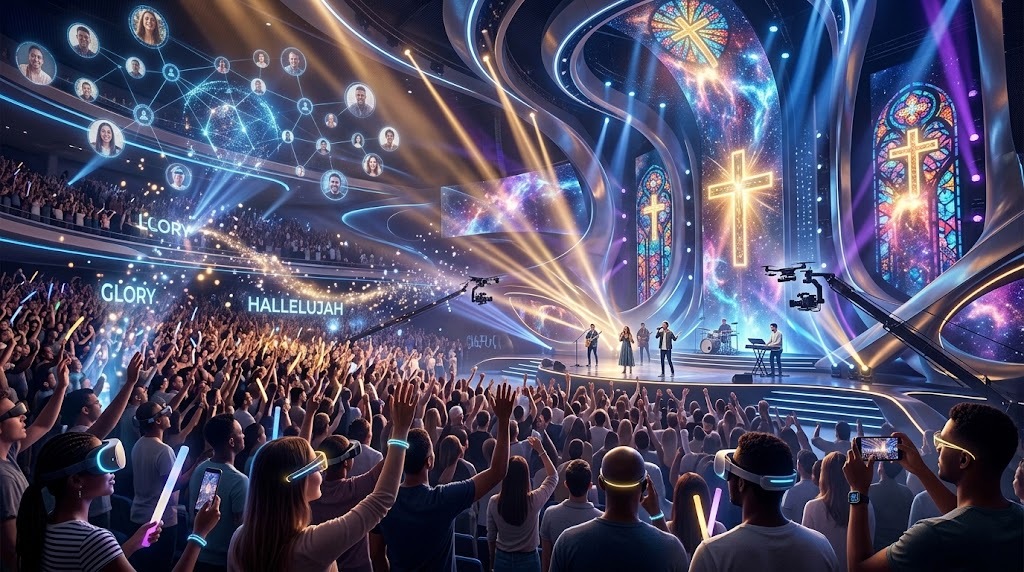
With a smartphone and an internet connection, someone sitting in Lagos can discover a Christian artist from South Africa, listen to a worship song from the United States, watch a gospel music video from Ghana, follow a Christian musician from the United Kingdom, and share a new worship song with hundreds of people within minutes. This transformation has made me think seriously about the future of Christian music in a digital world.
Christian music is no longer confined to physical albums, church services, radio stations, television programmes, or traditional music stores. It now exists across streaming platforms, social media, websites, podcasts, video platforms, online communities and countless digital channels. An artist does not necessarily need to wait for a major record label to introduce their music to the world. A talented Christian musician with a phone, creativity, consistency and a good understanding of digital platforms can potentially reach an audience that would have been almost impossible to reach a few decades ago.
This is one of the most exciting things about the future of Christian music in a digital world.
The internet has changed the relationship between artists and listeners. In the past, the distance between a Christian artist and their audience could be enormous. Today, that distance has become much smaller. A gospel artist can release a song in the morning and begin receiving comments from listeners around the world almost immediately.
A listener can hear a song, follow the artist, watch the making of the song, read the story behind the lyrics, attend a livestream, join an online community and even communicate directly with the artist. Music has become more interactive.
I believe this will continue to influence Christian music in ways we are only beginning to understand.
One of the biggest changes will be the way Christian music is discovered. Search engines and social media have become powerful gateways into music. Someone may not know the name of a gospel artist, but they may search for phrases such as Christian songs for prayer, worship songs for morning devotion, gospel songs for encouragement, Christian music for difficult times or new African gospel songs.
That means Christian music blogs and websites can play an increasingly important role.
A well managed Christian music blog can introduce readers to new artists, explain the meaning behind songs, review albums, publish music news, share Christian playlists, interview musicians and help listeners discover music that might otherwise remain unknown. In a digital environment, the article surrounding a song can become almost as important as the song itself because it provides context and helps people find the music through search.
This is where search engine optimization becomes particularly interesting.
The future of Christian music in a digital world will not only belong to the artists who make great music. It will also create opportunities for people who understand how to distribute, explain, promote and organize that music online. A powerful song needs an audience, and digital platforms have created many new ways of finding that audience.
Social media is another major part of this transformation.
A Christian artist can now create short videos showing how a song was written. They can share a few seconds of an unreleased track. They can explain the Bible verse that inspired a particular lyric. They can record a simple acoustic version of a song from their bedroom or studio. They can share testimony, interact with listeners and build anticipation before releasing a full project.
This changes the traditional idea of music promotion.
Instead of simply telling people that a new song has been released, artists can take people on a journey before the song arrives. The audience can become familiar with the story, the artist and the message before they even hear the complete recording.
I think this is especially powerful for Christian music because Christian songs often have stories behind them.
A worship song may have been written during a difficult season. A gospel song may have been inspired by a personal testimony. A Christian artist may have written lyrics after experiencing loss, disappointment, restoration, prayer or a significant spiritual moment.
Digital media gives artists the opportunity to tell those stories.
When listeners understand the story behind a song, they may connect with it differently. A song stops being just an audio file and becomes part of a larger experience.
Another major development is the growth of independent Christian artists.
In previous generations, becoming a widely recognised recording artist could require access to expensive studios, record labels, producers, distributors and traditional media. Technology has reduced some of those barriers. Affordable recording equipment and digital production tools have allowed more musicians to experiment, record and release their work.
This does not mean that becoming successful is easy. It is not.
There are thousands of musicians competing for attention online. Having a song available on the internet does not automatically mean people will discover it. Christian artists still need quality music, consistency, branding, communication skills, audience understanding and effective promotion.
But the door is now open to many more people.
This could make the future of Christian music in a digital world incredibly diverse. We may see more sounds, languages, cultures and musical traditions represented than ever before.
African Christian music is a particularly interesting example.
The global digital environment has made it easier for African gospel artists to reach listeners outside their immediate geographical communities. A song created in Nigeria can find listeners in Ghana, Kenya, South Africa, the United States, the United Kingdom and beyond.
The same thing can happen in reverse.
A listener in Africa can discover worship music from another continent without waiting for a physical album to arrive. Digital platforms have effectively created a global Christian music marketplace where geography is becoming less important to music discovery.
I believe this will encourage more collaboration.
Christian artists from different countries can work together without necessarily being in the same physical location. They can exchange recordings, collaborate remotely, produce music across borders and promote the final project to audiences in multiple countries.
The result could be a fascinating mixture of musical traditions.
Imagine a Christian song combining African rhythms, contemporary worship, traditional choir arrangements and modern electronic production. Digital technology makes this kind of collaboration much easier to create and distribute.
However, the digital future also presents serious challenges.
One of the biggest challenges is the pressure to create music that performs well online.
Digital platforms often reward attention. Views, likes, comments, shares and watch time can influence how widely content spreads. This can create a temptation for musicians to focus heavily on what is popular rather than what is meaningful.
Christian music has always existed within the tension between ministry and entertainment. The digital world may make that tension even more visible.
An artist may begin asking whether they should create a song because they genuinely believe in its message or because they think the song will perform well on social media.
That is not necessarily an easy question.
Christian musicians are artists, and artists need audiences. There is nothing inherently wrong with promoting music effectively or understanding digital trends. The challenge comes when numbers become more important than the message.
The future of Christian music will therefore require discernment.
Technology is a tool. It can amplify a message, but it does not automatically determine whether that message is meaningful.
Another major change will come from artificial intelligence.
Artificial intelligence is already influencing many creative industries, and music will not be excluded. AI can assist with brainstorming, songwriting ideas, production workflows, audio editing, marketing, content creation and other aspects of the creative process.
This raises important questions for Christian musicians.
What happens when technology becomes capable of producing music that sounds remarkably human? How should Christian artists use AI responsibly? Should listeners know when AI has played a significant role in creating a song? Where should artists draw the line between using technology as an assistant and allowing technology to replace creative expression?
These questions will become increasingly important.
I believe the human story behind Christian music will remain valuable even as technology becomes more sophisticated.
People do not only listen to Christian music because of melodies. They often connect with stories, testimonies, emotions and messages. A listener may want to know what inspired a song. They may want to understand what the songwriter was experiencing. They may want to hear the artist explain what the lyrics mean.
Technology can assist with production, but genuine human experience remains difficult to replace.
Another area that will continue to grow is Christian music content beyond the song itself.
The future Christian music website may not simply publish links to songs. It may become a complete destination for music discovery and Christian culture.
Readers could find artist interviews, album reviews, song explanations, music history, playlists, devotional content, concert information, behind the scenes stories and discussions about the Christian music industry.
This creates opportunities for Christian music bloggers and digital publishers.
A person who understands both Christian music and digital publishing can build an audience around information that people are already searching for. Instead of simply publishing that an artist has released a new song, the publisher can explore the story behind the release, explain the lyrics, introduce the artist and provide additional context.
That creates a deeper relationship with readers.
I also believe playlists will become increasingly important.
People do not always search for individual songs. Sometimes they search for a musical experience. They want Christian music for prayer, worship, studying, travelling, sleeping, encouragement, celebration or personal reflection.
This means Christian music platforms can organise songs around moments and needs rather than simply artists and albums.
The future could therefore be less about asking, “What song do you want to hear?” and more about asking, “What kind of experience are you looking for?”
That is a significant change.
Christian music will also continue becoming more accessible to younger generations. Young people are already comfortable discovering information through short videos, streaming platforms, social networks and online communities. Christian musicians who understand how younger audiences consume content will have new opportunities to communicate biblical messages through contemporary formats.
But reaching younger people should not mean abandoning substance.
A short video can attract attention, but meaningful music can build a lasting connection.
The strongest Christian music of the future may therefore combine accessibility with depth. It may be easy to discover but rich enough to revisit. It may use modern sounds while maintaining a meaningful message. It may be highly shareable without becoming shallow.
This balance will be important.
Another thing I expect to see is the continued growth of Christian music communities online.
Music has always brought people together, but digital platforms can connect people who would never meet physically. Fans can discuss songs, share testimonies, recommend artists and participate in conversations about worship and Christian culture.
Someone who feels isolated in their local environment may discover thousands of other people online who share their appreciation for Christian music.
That sense of community can be powerful.
At the same time, Christian music websites will need to become more trustworthy. The internet is full of misinformation, copied content and exaggerated claims. As Christian music audiences grow online, publishers who provide accurate information, original reporting and useful content will become increasingly valuable.
This is another reason I believe Christian music blogging has a future.
There is still plenty to document.
There are emerging artists whose stories have not been widely told. There are songs with fascinating backgrounds. There are independent musicians producing excellent work without mainstream attention. There are different Christian music traditions that deserve greater visibility.
The digital world gives publishers the tools to bring those stories to a global audience.
When I think about the future of Christian music in a digital world, I do not simply think about streaming numbers or social media followers. I think about access.
A child in a small community can potentially discover music from another country. An independent gospel singer can potentially reach listeners without waiting for a major label. A Christian blogger can introduce an unknown artist to thousands of readers. A songwriter can share a testimony with people they may never meet personally.
That is the real power of digital technology.
It has reduced the distance between the creator and the listener.
Of course, technology will continue changing. Platforms will rise and disappear. Algorithms will change. New forms of entertainment will emerge. Artificial intelligence will become more sophisticated. People will discover music in ways that are difficult to predict today.
But I do not believe the fundamental reason people connect with Christian music will disappear.
People will still experience joy.
People will still experience pain.
People will still pray.
People will still search for hope.
People will still celebrate.
People will still need encouragement.
And people will still want to express their faith through music.
That is why I believe the future of Christian music in a digital world is not simply about technology. It is about what happens when timeless faith meets constantly changing technology.
The tools will change, but the human desire to sing, worship, tell stories and share faith will remain.
For Christian artists, the opportunity is enormous. For Christian music bloggers, the opportunity is enormous. For listeners, the opportunity is enormous.
We are entering an era where a song can travel around the world before the person who created it has even realised how far it has gone.
That is both exciting and challenging.
The future of Christian music in a digital world will ultimately be shaped by the people who create it, the people who promote it, the people who write about it and the people who listen to it.
Technology has opened the door.
What we choose to put through that door will determine what the next generation hears.

Leave a Reply