
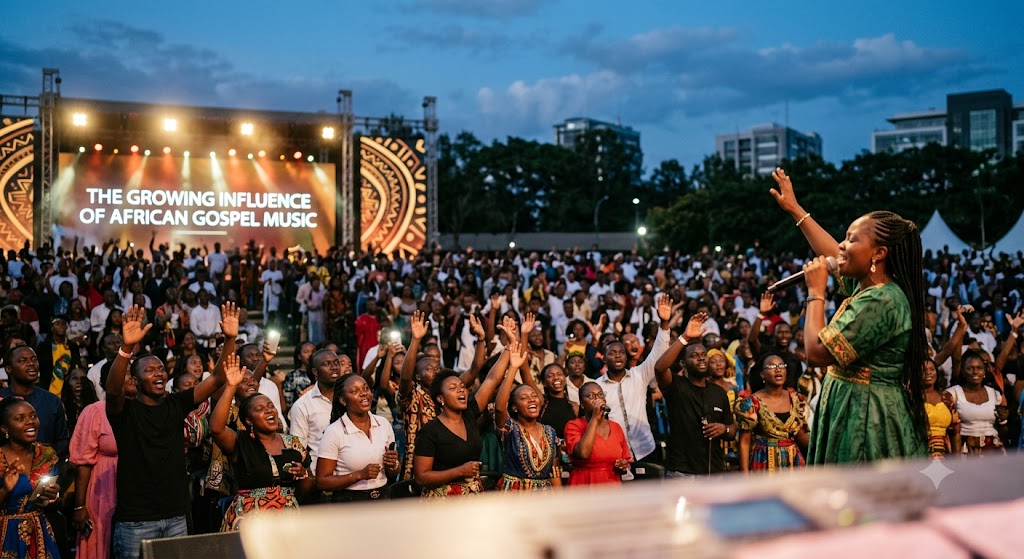
The Growing Influence of African Gospel Music
The Growing Influence of African Gospel Music is one of the most exciting stories in the global music industry today. What was once considered a regional expression of faith has become an international movement that is inspiring millions of people across continents. African gospel music has broken through language barriers, cultural differences, and geographical limitations to become a powerful voice of hope, worship, celebration, and spiritual encouragement. From churches in Lagos and Nairobi to concert halls in London, New York, Johannesburg, Toronto, and Sydney, the sound of African gospel continues to resonate with people from every background. It has become more than just music. It is a testimony, a ministry, a cultural ambassador, and a symbol of unwavering faith in God.
For decades, Africa has been known for its rich musical heritage. Every region across the continent possesses unique rhythms, instruments, harmonies, and storytelling traditions that have been passed down through generations. When Christianity spread across many African nations, these indigenous musical traditions merged with biblical messages, creating a distinctive style of worship that felt authentic to African communities. Instead of abandoning local musical identities, believers embraced them and used them to glorify God. This beautiful fusion laid the foundation for what the world now recognizes as African gospel music.
The Growing Influence of African Gospel Music can be seen in the way international audiences have embraced its vibrant energy and heartfelt messages. Unlike many commercial genres that often focus on fame, wealth, or personal success, African gospel music consistently points listeners toward God, gratitude, faith, perseverance, and hope. These universal themes have allowed the music to connect with people regardless of nationality or language. Even listeners who do not understand every lyric often find themselves deeply moved by the passion, sincerity, and joyful spirit that characterize African gospel performances.
One of the greatest strengths of African gospel music is its authenticity. Many songs are born out of real-life experiences of hardship, perseverance, miracles, healing, and answered prayers. Artists frequently write from personal testimonies rather than fictional stories. This authenticity creates a strong emotional connection with listeners because they recognize genuine faith behind every lyric. When an artist sings about God’s faithfulness after overcoming difficult circumstances, the message carries a weight that audiences can feel. Authentic worship speaks louder than polished production alone.
Technology has played a major role in accelerating The Growing Influence of African Gospel Music. In previous decades, artists depended heavily on physical albums, local radio stations, and church events to reach audiences. Today, streaming platforms, video-sharing websites, podcasts, and social media have completely transformed music distribution. A worship song recorded in a small African studio can now reach millions of listeners worldwide within days. Digital platforms have created opportunities that previous generations could only imagine.
Video-sharing platforms have especially contributed to this remarkable growth. High-quality live worship sessions, church concerts, and official music videos regularly attract millions of views. Viewers are not only listening to the songs but also experiencing the atmosphere of worship. Many people discover African gospel artists through recommended videos and quickly become devoted followers. This organic exposure has introduced countless listeners to African worship styles that they might never have encountered otherwise.
Social media has further amplified the reach of gospel musicians. Short video clips featuring powerful worship moments often go viral, encouraging users to search for the full songs. Churches, influencers, worship leaders, and ordinary believers share their favorite songs daily, expanding the audience without expensive advertising campaigns. This digital word-of-mouth has become one of the strongest promotional tools available to gospel artists.
The Growing Influence of African Gospel Music is also reflected in the increasing number of international collaborations between African artists and musicians from other parts of the world. These partnerships introduce diverse audiences to African worship while creating fresh musical experiences. Artists from different cultures are discovering that worship transcends nationality. When believers unite through music, they demonstrate the universal nature of the Christian faith. Such collaborations enrich the global worship community while showcasing the creativity and excellence found within African gospel music.
Language has never been a significant obstacle to the success of African gospel songs. Many artists combine English with indigenous languages such as Yoruba, Igbo, Swahili, Zulu, Twi, Lingala, and many others. Rather than limiting the audience, this multilingual approach often enhances the emotional depth of the music. Listeners appreciate hearing worship expressed in authentic cultural voices. Even when every word is not understood, the sincerity of worship communicates powerfully through melody, harmony, and emotion.
African gospel music also reflects the continent’s remarkable cultural diversity. Different countries bring unique musical flavors that contribute to the richness of the genre. Some songs feature energetic percussion and dance rhythms, while others emphasize soulful harmonies, traditional instruments, or contemporary production techniques. This diversity ensures that African gospel remains fresh, dynamic, and continuously evolving without losing its spiritual foundation.
Churches across Africa have served as important incubators for musical talent. Many internationally recognized gospel artists began as choir members, instrumentalists, or worship leaders in local congregations. Churches provide opportunities for young musicians to develop their skills, gain confidence, and minister before supportive audiences. These environments nurture not only musical excellence but also spiritual maturity, ensuring that many artists view their careers as ministries rather than simply entertainment businesses.
Youth participation has greatly contributed to The Growing Influence of African Gospel Music. Young believers have embraced gospel music while introducing modern production techniques, creative songwriting, and innovative marketing strategies. Instead of viewing gospel as outdated, many young artists are proving that Christian music can be contemporary, relevant, and musically excellent while remaining faithful to biblical values. This fresh perspective has attracted younger audiences who appreciate modern sounds combined with meaningful messages.
Music producers have also raised production standards significantly. African gospel albums now feature world-class recording quality, sophisticated arrangements, exceptional mixing, and visually stunning music videos. Professional excellence has helped eliminate outdated stereotypes that gospel music cannot compete with mainstream productions. Today, many African gospel releases demonstrate technical quality comparable to leading international music projects.
The Growing Influence of African Gospel Music is evident in the increasing number of international concerts and worship tours featuring African artists. Large venues around the world regularly host gospel events where thousands gather to worship together. These concerts create opportunities for believers from different nations to experience African praise and worship firsthand. They also strengthen the global Christian community by emphasizing unity in worship despite cultural differences.
African gospel music has become an important source of encouragement during difficult times. Whether people face personal struggles, economic uncertainty, illness, grief, or social challenges, gospel songs remind listeners of God’s faithfulness and promises. During periods of global crisis, many individuals turned to worship music for comfort, finding hope in lyrics that emphasized trust, perseverance, and divine protection. Music possesses a unique ability to reach the heart when ordinary words seem insufficient.
The messages communicated through African gospel music often emphasize gratitude. Many songs celebrate God’s goodness regardless of circumstances. This perspective resonates with audiences because it encourages contentment, hope, and unwavering faith rather than despair. Even songs written during seasons of hardship frequently conclude with declarations of victory and confidence in God’s sovereignty. This hopeful outlook distinguishes much of African gospel music from genres that primarily focus on negative emotions.
Another reason behind The Growing Influence of African Gospel Music is its strong sense of community. Worship is rarely portrayed as an isolated activity. Choirs, congregational singing, call-and-response patterns, and audience participation create an atmosphere where everyone becomes part of the worship experience. This communal style reflects many African cultural traditions while reinforcing biblical principles of corporate worship and fellowship.
Dance is another defining characteristic of African gospel music. Joyful movement is often viewed as a natural expression of gratitude toward God. Rather than separating worship from celebration, many African churches embrace both simultaneously. This visible expression of joy has captivated international audiences who appreciate worship that engages both the heart and the body. Dancing during praise is seen not merely as performance but as an act of thanksgiving and devotion.
The Growing Influence of African Gospel Music has also inspired academic interest. Researchers are increasingly studying its cultural impact, theological themes, musical structures, and role in community development. Universities, seminaries, and music institutions recognize African gospel as an important subject worthy of scholarly attention. This growing body of research further validates the genre’s significance within global music history.
Economic opportunities within the African gospel industry continue to expand. Recording studios, event organizers, music distributors, streaming platforms, instrument manufacturers, photographers, videographers, marketers, and numerous creative professionals benefit from the industry’s growth. As gospel music reaches larger audiences, it supports employment while encouraging entrepreneurship within creative sectors.
Christian conferences worldwide increasingly invite African worship leaders to minister. Their presence introduces participants to fresh worship experiences while strengthening international partnerships between churches. These gatherings demonstrate that worship is not confined to any single cultural expression. Instead, believers from diverse backgrounds can unite before God while appreciating one another’s musical traditions.
African gospel music has also become a powerful evangelistic tool. Many people who might never attend a church service willingly listen to music online, on the radio, or through streaming platforms. Meaningful lyrics often spark curiosity about the Christian faith, encouraging listeners to explore biblical teachings more deeply. Music opens doors that traditional preaching sometimes cannot, making it an effective instrument for sharing the Gospel.
Families benefit significantly from African gospel music because many songs promote positive values such as love, forgiveness, faithfulness, humility, generosity, and respect. Parents often play gospel music at home, allowing children to grow up hearing messages that reinforce biblical principles. This creates opportunities for spiritual conversations while establishing wholesome musical environments within households.
The influence of African gospel extends beyond churches into public events, schools, community gatherings, and national celebrations. Gospel performances frequently appear during important ceremonies because they inspire hope, unity, and gratitude. Their presence reflects the significant role that faith continues to play in many African societies while also introducing broader audiences to gospel music.
Women have played an extraordinary role in shaping The Growing Influence of African Gospel Music. Female gospel ministers, worship leaders, songwriters, producers, and choir directors have consistently contributed timeless songs that continue to bless generations. Their voices have inspired millions through messages of faith, perseverance, healing, and unconditional trust in God. Many have also mentored younger artists, ensuring that excellence and spiritual integrity remain central values within the industry.
Men have likewise contributed significantly through leadership, songwriting, instrumental excellence, and worship ministry. Together, male and female artists demonstrate that gospel music flourishes when diverse gifts are united for a common purpose of glorifying God. Their combined efforts have elevated African gospel onto the global stage while maintaining its spiritual authenticity.
One remarkable characteristic of African gospel music is its ability to adapt without compromising its message. Musical styles continue to evolve as artists incorporate contemporary sounds, modern instrumentation, and innovative production techniques. Yet the central themes remain firmly rooted in biblical truth. This balance between creativity and spiritual consistency has enabled African gospel to remain relevant across generations.
The Growing Influence of African Gospel Music has encouraged greater appreciation for African cultures worldwide. Through music, international audiences encounter African languages, fashion, dance, instruments, and artistic expressions in positive and inspiring contexts. Gospel has become a bridge connecting cultures while promoting mutual understanding and respect.
Many African gospel artists invest heavily in charitable work and community development. They support educational initiatives, healthcare programs, orphanages, disaster relief efforts, youth mentorship, and various humanitarian causes. Their influence extends beyond music into practical service, demonstrating that Christian ministry involves both proclamation and compassion. These efforts further strengthen the credibility of gospel musicians as ambassadors of Christ.
The Growing Influence of African Gospel Music
Independent artists have also benefited tremendously from digital technology. Without relying solely on major record labels, talented musicians can now produce, distribute, and promote their music directly to global audiences. This democratization of music production has allowed many gifted worship leaders to share their songs without significant financial barriers. As a result, listeners enjoy greater diversity while discovering fresh voices from different regions of Africa.
The future of African gospel music appears exceptionally promising. Continued technological innovation, expanding internet access, growing international collaborations, and increasing appreciation for cultural diversity all suggest that its global influence will continue to rise. Younger generations are already building upon the foundations established by earlier pioneers while introducing fresh creativity and vision.
Churches are increasingly investing in music education, vocal training, instrumental development, and media production. These investments will likely produce even higher standards of excellence in future generations of gospel musicians. As more talented individuals dedicate their gifts to Christian ministry, audiences can expect continued innovation without sacrificing spiritual depth.
The Growing Influence of African Gospel Music also reminds believers that worship belongs to every culture. Christianity is a global faith expressed through countless languages, musical traditions, and artistic styles. African gospel demonstrates that authentic worship does not require cultural uniformity. Instead, God is glorified when people worship sincerely using the unique gifts, sounds, and traditions He has given them.
For many listeners around the world, discovering African gospel music has transformed their understanding of worship. They have encountered songs filled with joyful expectation, unwavering faith, heartfelt gratitude, and passionate praise. These qualities have enriched personal devotion, church services, and Christian conferences across continents. As more people experience this vibrant expression of faith, appreciation for African gospel continues to deepen.
Ultimately, The Growing Influence of African Gospel Music is not merely about increasing album sales, streaming numbers, social media followers, or international awards. Its greatest success lies in lives being encouraged, hearts being healed, faith being strengthened, and people being drawn closer to God through music that sincerely glorifies Him. Every testimony shared, every worship gathering transformed, every discouraged soul uplifted, and every person introduced to the message of Jesus through song represents the true measure of its impact.
As the world becomes increasingly connected, African gospel music is uniquely positioned to continue touching hearts across every continent. Its messages of hope, redemption, grace, faithfulness, love, forgiveness, and victory remain timeless in a rapidly changing world. The rhythms may evolve, the production quality may improve, and the audiences may continue expanding, but the heart of African gospel music will always remain centered on worshipping God and proclaiming His goodness. That enduring commitment explains why The Growing Influence of African Gospel Music is not a passing trend but a lasting movement that will continue inspiring generations of believers and music lovers for many years to come.

Leave a Reply