
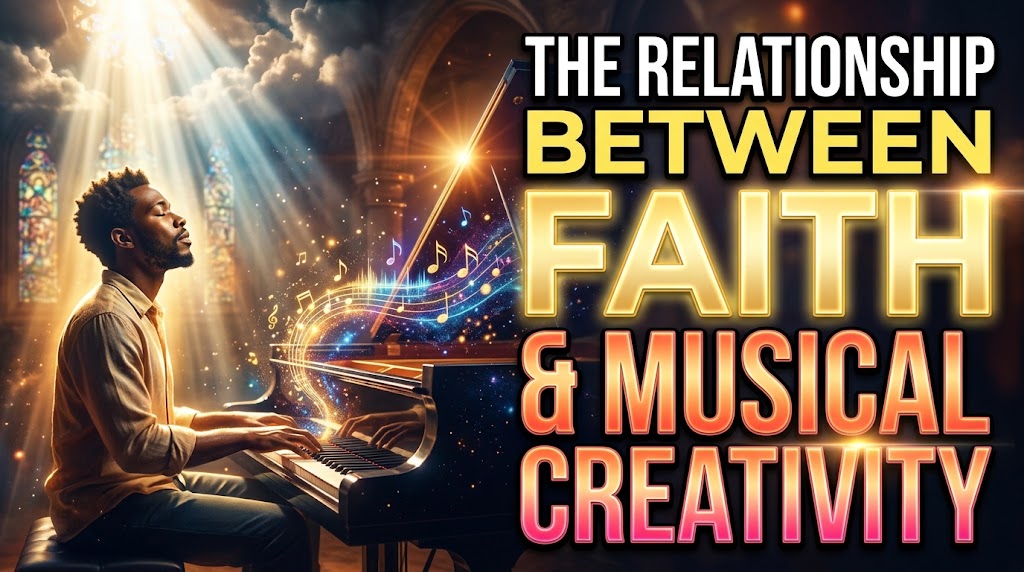
The Relationship Between Faith and Musical Creativity
The Relationship Between Faith and Musical Creativity
The relationship between faith and musical creativity has fascinated humanity for centuries. Across different cultures, generations, and Christian traditions, music has served as one of the most powerful ways people express their beliefs, emotions, experiences, and devotion to God. From the Psalms of David to contemporary worship songs heard around the world today, faith and music have consistently worked together to inspire, comfort, teach, and unite believers. Understanding the relationship between faith and musical creativity helps us appreciate not only the role of music in worship but also the deeper spiritual forces that often shape artistic expression.
Faith has always been a source of inspiration for creative minds. For many musicians, faith provides a framework through which they interpret life, understand purpose, and communicate truth. Creativity is often described as the ability to produce something original, meaningful, and impactful. When faith becomes part of that creative process, music can transcend entertainment and become a powerful tool for spiritual reflection and transformation. This connection explains why some of the most memorable and influential musical works throughout history have emerged from deeply held religious beliefs.
The Bible itself contains numerous examples of music being used as an expression of faith. King David, widely recognised as one of the most gifted musicians in Scripture, used music to praise God, express sorrow, celebrate victories, and encourage others. The Book of Psalms remains one of the greatest collections of faith-inspired songs ever written. These songs continue to resonate with believers today because they capture authentic human experiences while pointing listeners towards God. David’s example demonstrates how faith can fuel creativity by providing both inspiration and purpose.
One of the most significant aspects of the relationship between faith and musical creativity is the way faith gives meaning to artistic expression. Musicians who are guided by faith often view their talents as gifts entrusted to them by God. This perspective influences not only what they create but also why they create it. Rather than pursuing music solely for fame, recognition, or financial gain, many faith-driven artists see their work as an opportunity to glorify God, encourage believers, and share messages of hope. This deeper sense of purpose often produces music that connects with listeners on a profound emotional and spiritual level.
Faith also encourages authenticity, which is essential for meaningful creativity. Genuine creativity often emerges from personal experiences, struggles, victories, questions, and moments of revelation. Many Christian musicians draw upon their faith journeys when writing songs. Experiences of answered prayers, seasons of waiting, moments of doubt, encounters with God’s grace, and testimonies of transformation frequently become the foundation for powerful lyrics. Because these songs are rooted in real-life experiences, they often resonate deeply with audiences who face similar challenges and circumstances.
Another important element of the relationship between faith and musical creativity is the role of worship. Worship provides a unique environment where creativity flourishes. Throughout history, believers have sought new ways to express their love, gratitude, and reverence for God. This desire has inspired countless melodies, harmonies, compositions, and musical innovations. Worship music continues to evolve because each generation seeks fresh expressions of timeless truths. While musical styles may change, the underlying motivation remains the same: to honour God and communicate faith through creative means.
Faith can also provide creative direction during difficult times. Many musicians have discovered that periods of hardship often become fertile ground for artistic growth. Personal struggles, loss, disappointment, uncertainty, and trials frequently lead individuals to seek God more deeply. In these moments, music can become an outlet for prayer, reflection, and emotional healing. Some of the most powerful Christian songs have emerged from seasons of adversity. Rather than avoiding pain, faith allows musicians to process their experiences through a lens of hope, producing songs that encourage others facing similar circumstances.
The relationship between faith and musical creativity is also evident in the way music helps communicate complex spiritual concepts. Theology, doctrine, and biblical truths can sometimes seem difficult to understand or remember. Music has the unique ability to make these concepts accessible and memorable. Through lyrics, melodies, and repetition, songs can teach important lessons about God’s character, salvation, grace, forgiveness, and faithfulness. Many believers can recall song lyrics more easily than sermons or lectures, highlighting the educational power of music within the Christian faith.
Creativity itself reflects an aspect of God’s nature. According to Christian belief, God is the ultimate Creator. The beauty of creation, the diversity of life, and the complexity of the universe all reveal divine creativity. Human creativity can therefore be viewed as a reflection of the Creator’s image. When musicians create new songs, arrangements, and compositions, they participate in a process that mirrors God’s creative nature. This understanding gives additional significance to artistic work and helps explain why many Christians view creativity as a form of stewardship rather than merely a personal talent.
Faith often encourages artists to explore themes that transcend everyday concerns. While secular music may focus primarily on relationships, success, entertainment, or social issues, faith-inspired music frequently addresses eternal questions about purpose, identity, redemption, and hope. These themes resonate across cultures and generations because they speak to fundamental human needs. By engaging with such topics, musicians create works that often possess lasting relevance and impact.
Community also plays an important role in the relationship between faith and musical creativity. Churches, worship teams, choirs, and Christian music groups provide environments where creative individuals can collaborate, learn, and grow together. These communities encourage the sharing of ideas, talents, and experiences. Collaboration often leads to greater innovation and stronger artistic outcomes. Many successful Christian songs have emerged from partnerships between songwriters, musicians, pastors, and worship leaders who share a common vision and faith.
The relationship between faith and musical creativity extends beyond professional musicians. Ordinary believers often experience creativity through congregational singing, personal worship, and participation in church music ministries. Music provides opportunities for individuals of varying skill levels to express their faith and contribute to the life of the church. Whether singing in a choir, playing an instrument, writing songs, or simply participating in worship services, countless Christians engage in creative expression inspired by their faith.
Faith can also provide resilience in the face of criticism and rejection. The music industry is highly competitive, and many artists encounter setbacks throughout their careers. Musicians who draw strength from their faith often find encouragement in knowing that their value is not determined solely by commercial success or public recognition. This perspective enables them to continue creating even when faced with challenges. Their motivation remains rooted in their calling and commitment to serving God through their gifts.
Technology has transformed the way music is created, distributed, and consumed, yet the relationship between faith and musical creativity remains strong. Modern recording equipment, streaming platforms, social media, and digital production tools have expanded opportunities for Christian musicians to reach global audiences. Faith-inspired artists can now share their work with listeners around the world more easily than ever before. This technological advancement has enabled new voices to emerge while preserving the central role of faith as a source of inspiration.
The global growth of Christian music demonstrates the enduring connection between faith and creativity. Gospel music, contemporary worship, hymns, Afro Gospel, Christian rock, Christian hip-hop, and other genres continue to attract audiences across diverse cultural backgrounds. Each style reflects unique cultural influences while maintaining a shared commitment to expressing faith through music. This diversity highlights the adaptability of creative expression and the universal appeal of spiritual themes.
One reason faith continues to inspire musical creativity is that faith addresses some of life’s deepest questions. People naturally seek meaning, purpose, belonging, and hope. Music provides a powerful medium for exploring these questions and communicating answers rooted in faith. Songs often articulate thoughts and emotions that listeners struggle to express themselves. This ability to connect with human experiences contributes to the lasting influence of faith-based music.
The relationship between faith and musical creativity is also evident in the emotional impact of music. Faith often involves emotional experiences such as gratitude, awe, joy, repentance, peace, and hope. Music has a unique capacity to convey and amplify these emotions. A well-crafted song can create moments of reflection, inspire prayer, encourage worship, and strengthen spiritual commitment. This emotional dimension helps explain why music remains such an important part of Christian life and practice.
Many musicians describe their creative process as involving inspiration that feels larger than themselves. While creativity requires skill, practice, and discipline, faith often introduces an additional dimension. Christian artists frequently speak of seeking God’s guidance, praying before writing, and relying on the Holy Spirit for inspiration. Whether composing melodies, writing lyrics, or arranging music, they view their creative work as a partnership between human effort and divine influence.
Faith can also shape ethical decision-making within the creative process. Christian musicians often consider the messages their songs communicate and the impact their work may have on listeners. This sense of responsibility influences lyrical content, artistic choices, and professional conduct. By aligning creativity with spiritual values, artists seek to create music that not only entertains but also encourages, uplifts, and points people towards God.
As society continues to evolve, the relationship between faith and musical creativity will likely remain relevant. New musical styles, technologies, and cultural trends will emerge, but the human desire to express faith through creative means is unlikely to disappear. Throughout history, believers have continually found innovative ways to communicate timeless truths through music. Future generations will undoubtedly continue this tradition, producing new songs that reflect their experiences while remaining rooted in enduring spiritual principles.
Ultimately, the relationship between faith and musical creativity reveals the remarkable capacity of music to connect the human heart with spiritual realities. Faith provides inspiration, purpose, direction, and meaning, while creativity offers a vehicle through which those beliefs can be expressed and shared. Together, they create opportunities for worship, teaching, encouragement, healing, and transformation. Whether through ancient hymns, modern worship songs, gospel anthems, or personal compositions, the bond between faith and musical creativity continues to enrich lives and strengthen communities around the world.
The relationship between faith and musical creativity remains one of the most compelling examples of how spiritual conviction can inspire artistic excellence. It demonstrates that music is far more than sound or performance. For countless believers, music serves as a language of faith, a tool for ministry, and a reflection of God’s creative nature. As long as people continue seeking God, expressing their beliefs, and sharing their stories, faith will remain a powerful source of musical creativity, producing songs that inspire, encourage, and point listeners towards something greater than themselves.

Leave a Reply