
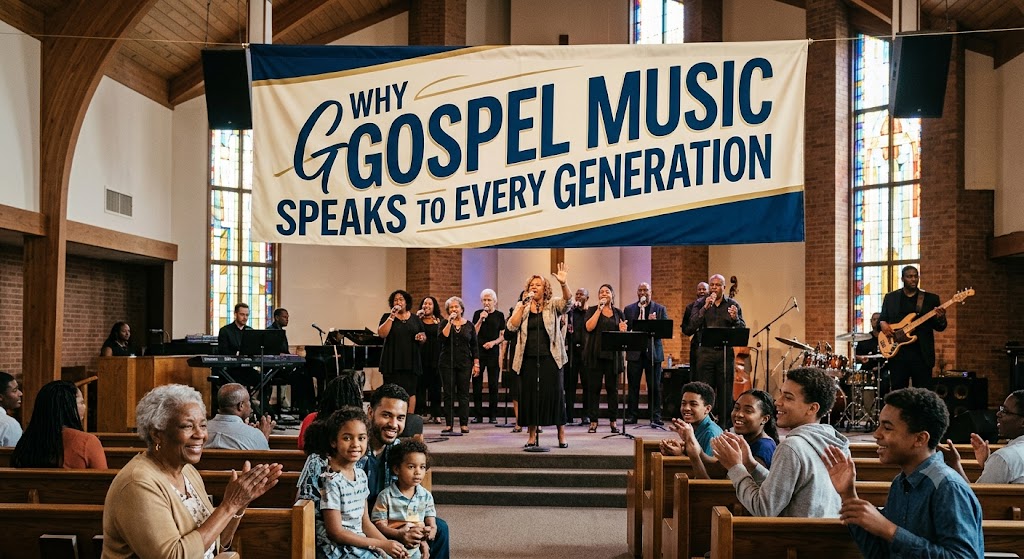
Why Gospel Music Speaks to Every Generation
Music has always been one of humanity’s most powerful forms of communication. Long before books became common and long before technology connected people across continents, songs carried stories, emotions, history, hope and faith from one generation to another. Among every genre that has emerged over the centuries, gospel music has remained one of the most enduring because it speaks to something deeper than entertainment. It reaches the heart, touches the soul and reminds people of truths that remain relevant regardless of age, culture or background. When people say that Music Speaks to Every Generation, gospel music stands as one of the greatest examples of that reality. Its message is timeless because it is built upon eternal truths rather than temporary trends.
Every generation grows up in a different world. One generation remembers handwritten letters while another communicates through smartphones. One generation experienced vinyl records while another streams millions of songs with a single tap. Fashion changes, technology evolves and lifestyles shift dramatically, yet people continue to search for hope, love, purpose, forgiveness and peace. These are needs that never disappear, no matter how advanced society becomes. Gospel music continues to meet these needs because it points listeners towards God, whose promises never change. This is one of the strongest reasons why Music Speaks to Every Generation through the message of the gospel.
Children often experience gospel music before they fully understand its meaning. Many grow up hearing worship songs in church, family devotions or Sunday school. The melodies become familiar, and the words slowly take root in their hearts. As they mature, those same songs begin to carry deeper meaning. A lyric that once sounded simple suddenly becomes a source of comfort during difficult seasons. This demonstrates how gospel music grows alongside the listener. The same song can inspire a child with joy, encourage a teenager facing uncertainty, strengthen an adult carrying responsibility and comfort an elderly person reflecting on a lifetime of God’s faithfulness.
Teenagers face pressures that previous generations never imagined. Social media comparisons, cyberbullying, academic competition and constant digital distractions create emotional burdens that are difficult to escape. In the middle of this noise, gospel music offers something different. Instead of encouraging comparison, it reminds young people of their identity in Christ. Instead of promoting temporary popularity, it teaches lasting purpose. Instead of glorifying selfish ambition, it points towards love, humility and service. This is another reason why Music Speaks to Every Generation. It adapts to the emotional needs of people without changing its central message.
Adults also discover fresh meaning in gospel music as life becomes more demanding. Career pressures, financial responsibilities, marriage, parenting and personal struggles can leave people emotionally exhausted. Many discover that worship songs become moments of personal prayer when words are difficult to find. Listening to gospel music during a morning commute, while working or before going to bed often provides strength to face another day. The lyrics become reminders that God remains present through every challenge. This connection explains why gospel music continues to remain relevant across different stages of life.
Older generations often carry decades of memories connected to gospel songs. Certain hymns remind them of childhood churches, family gatherings, weddings or moments when God answered prayers. Even as physical strength declines, many elderly believers can still remember every word of songs they learned many years ago. Music has a remarkable ability to preserve memories, and gospel music preserves memories of faith more than almost any other genre. It reminds older believers that the same God who guided them through the past remains faithful today.
One fascinating truth about gospel music is that it constantly evolves musically while preserving its spiritual foundation. Traditional hymns continue to inspire millions, while contemporary worship songs attract younger audiences with modern production. Choirs, acoustic worship, Afro gospel, Christian hip hop, Christian pop, gospel rock and urban praise all present the same message through different musical styles. This flexibility allows Music Speaks to Every Generation without compromising biblical truth. The rhythm may change, the instruments may become more modern and the production quality may improve, but the message of God’s love, grace and salvation remains unchanged.
Technology has transformed how gospel music reaches people. In previous decades, believers relied on radio stations, church choirs or physical albums. Today, anyone with an internet connection can access thousands of worship songs from around the world. Streaming platforms, social media and video-sharing websites have introduced gospel music to audiences who might never have entered a church building. Young listeners discover worship through playlists, while older listeners easily find their favourite hymns online. Technology has expanded the reach of gospel music, proving once again that Music Speaks to Every Generation regardless of the platform used.
The rise of African gospel music has further demonstrated the universal nature of gospel music. Artists from Nigeria, South Africa, Ghana and Kenya are reaching audiences across Europe, North America, Asia and Latin America. Songs performed in local languages are now sung by people who do not even understand every word because the spirit of worship transcends language barriers. Music possesses a unique ability to communicate emotion beyond vocabulary, and gospel music uses that power to point listeners towards Christ.
Many families have experienced the beauty of multiple generations worshipping together. Grandparents may prefer classic hymns while parents enjoy contemporary worship and teenagers connect with gospel rap or Afro gospel. Despite these musical preferences, they all gather around the same message of redemption. This shared experience strengthens family bonds because everyone finds common ground in worship. Music Speaks to Every Generation by creating opportunities for unity where differences might otherwise exist.
The emotional power of gospel music cannot be ignored. People celebrate weddings with worship songs, dedicate babies in church with joyful praise, seek comfort during funerals through hymns of hope and express gratitude after answered prayers with songs of thanksgiving. Every major season of life can be accompanied by gospel music. Few other forms of music remain relevant during every emotional experience from birth to old age. This emotional versatility helps explain why gospel music continues to thrive across generations.
Another reason gospel music remains timeless is because it answers life’s biggest questions. People of every age eventually ask why they exist, what happens after death, how forgiveness can be found and whether true hope is possible. Popular music often reflects emotions, but gospel music points towards answers rooted in Scripture. It does not merely acknowledge pain; it offers hope. It does not simply describe brokenness; it introduces healing through Christ. This difference allows gospel music to remain meaningful long after musical trends fade away.
Church worship itself reflects the truth that Music Speaks to Every Generation. Many congregations intentionally blend traditional hymns with modern worship songs. This approach allows older members to cherish familiar melodies while younger believers engage with newer expressions of praise. Healthy churches understand that worship is not about preserving a musical style but about glorifying God together. The unity created through diverse musical expressions becomes a powerful testimony that faith can bridge generational differences.
Many people who drift away from church later return because of a gospel song they unexpectedly heard. A familiar hymn on the radio, a worship performance shared online or a choir singing during a public event often awakens memories of childhood faith. Music reaches places that ordinary conversation sometimes cannot. A song heard at the right moment can soften hearts, restore hope and encourage spiritual reflection. This unique influence makes gospel music an effective tool for evangelism across all age groups.
The storytelling found in gospel music also contributes to its lasting appeal. Biblical stories of David, Moses, Esther, Ruth, Paul and Jesus continue to inspire songwriters because these stories remain relevant today. Themes of redemption, restoration, courage, forgiveness and victory resonate with listeners facing similar struggles in modern life. Although centuries separate today’s audience from biblical history, human emotions remain remarkably similar. People still experience fear, disappointment, joy, gratitude and hope. Gospel music connects ancient truth with contemporary life in ways that every generation can understand.
The simplicity of many worship songs makes them accessible to everyone. A child can sing a chorus about God’s love while a theologian appreciates the profound biblical truth hidden within the same lyrics. Great gospel music balances simplicity with depth. This ability to communicate on multiple levels explains why the same song continues to inspire listeners throughout different stages of life. What begins as a simple melody often becomes a lifelong companion of faith.
Music also creates community. Singing together breaks barriers that conversations sometimes cannot. During worship, differences in age, education, income and background become less important because everyone focuses on the same God. Gospel music reminds believers that they belong to one spiritual family. This sense of belonging becomes increasingly valuable in a world where loneliness continues to grow. Music Speaks to Every Generation because everyone longs to belong somewhere meaningful.
Modern gospel artists have embraced creativity without abandoning biblical foundations. Contemporary production techniques, cinematic music videos, live worship recordings and global collaborations have introduced gospel music to audiences who may not have listened otherwise. These creative approaches demonstrate that innovation and faithfulness can exist together. Gospel music does not need to remain trapped in one musical era because its message remains eternally relevant.
The influence of gospel music extends beyond church buildings. It inspires charitable work, strengthens missionary efforts, encourages social compassion and motivates countless believers to live out their faith. Songs often become personal declarations that shape attitudes and behaviour long after the music stops playing. Many people can testify that a worship song helped them forgive someone, overcome fear, trust God during illness or persevere through financial hardship. Such life-changing impact explains why gospel music continues to influence people across generations.
Scientific research has repeatedly shown that music affects memory, mood and emotional well-being. While these benefits apply to many forms of music, gospel music combines emotional encouragement with spiritual truth. It provides comfort while directing attention towards God rather than merely offering temporary emotional relief. This combination makes gospel music uniquely powerful because it ministers to both the heart and the soul.
Why Gospel Music Speaks to Every Generation
One remarkable aspect of gospel music is that it remains meaningful even during suffering. Many genres focus primarily on celebration or romance, but gospel music embraces every human experience, including grief, disappointment and uncertainty. Songs about trusting God during trials become deeply personal for listeners walking through difficult seasons. Instead of denying pain, gospel music acknowledges suffering while proclaiming hope beyond it. This honest approach allows believers of every generation to connect with its message.
Parents who intentionally introduce gospel music into their homes leave lasting spiritual legacies. Children who regularly hear worship songs often carry those melodies into adulthood. Years later, they may teach the same songs to their own children, continuing a cycle of faith that spans generations. In this way, gospel music becomes more than entertainment. It becomes a vessel for passing spiritual values from one generation to the next.
Globalisation has also expanded the influence of gospel music. Worship songs written in one country are translated into dozens of languages and sung in churches around the world. Congregations separated by oceans often worship using the same songs because the message of Christ unites believers beyond geographical boundaries. This worldwide connection beautifully illustrates that Music Speaks to Every Generation and every culture when its foundation is rooted in God’s Word.
As artificial intelligence, virtual reality and future technologies reshape entertainment, gospel music will undoubtedly continue evolving in presentation. New recording methods, immersive worship experiences and innovative digital platforms will emerge, but the heart of gospel music will remain the same. Humanity’s deepest needs cannot be solved by technology alone. People will always need forgiveness, hope, love, peace and purpose, and the gospel continues to provide these answers.
Ultimately, the enduring strength of gospel music lies in the One it celebrates. Human cultures change, governments rise and fall, technology advances and musical tastes shift from decade to decade. Yet Jesus Christ remains the same yesterday, today and forever. Because gospel music centres on His life, His sacrifice, His resurrection and His promises, it never loses relevance. This eternal foundation ensures that Music Speaks to Every Generation not because of changing musical trends but because its message addresses the unchanging needs of the human heart.
Whether sung quietly by a child, passionately by a youth choir, faithfully by parents during family worship or joyfully by elderly believers reflecting on God’s lifelong faithfulness, gospel music continues to unite hearts across generations. It reminds humanity that God’s love reaches every age, every culture and every season of life. That is why gospel music has never been confined to one era and never will be. As long as people seek hope in times of uncertainty, peace in moments of fear, joy in seasons of sorrow and purpose in the midst of confusion, gospel music will continue to flourish. It is living proof that Music Speaks to Every Generation, carrying timeless truth from one heart to another and from one generation to the next.

Leave a Reply